Dubai Disc & Spine Physiotherapy Network
Dubai Disc & Spine Physiotherapy Network refers to the connected care available across Dubai for people dealing with disc problems, spinal pain, sciatica, and related conditions. Whether you're managing a herniated disc, a flare-up of back pain, or nerve pain radiating into your leg, the right physiotherapy support can make a significant difference, and in Dubai, that support is more accessible than many people realise.
This article explains what disc and spine physiotherapy involves, who it can help, and where to find the care you need in Dubai.
What Is a Disc and Spine Physiotherapy Network?
A disc and spine physiotherapy network describes a coordinated system of physiotherapists, chiropractors, osteopaths, rehabilitation specialists, and related healthcare providers who work within a single clinic or across multiple touchpoints to assess and manage disc and spinal conditions effectively.
Rather than a rigid institutional structure, the concept is fundamentally practical: it means that patients with disc or spine-related concerns have access to the right expertise at the right stage of their care. This includes initial assessment, hands-on treatment, guided rehabilitation, and, where necessary, clear referral pathways.
In Dubai, disc and spine physiotherapy is delivered by specialist physiotherapists trained in spinal assessment, movement analysis, and evidence-based and researched backed treatment.
Whether you're looking for trusted spine physiotherapy in Dubai for ongoing back pain or seeking treatment for a specific disc injury, coordinated therapeutic care, whether with a physiotherapist, osteopath or chiropractor, is one of the foundations of effective treatment, and in Dubai, that expertise is closer than you might think.
How Can Physiotherapy Help with Disc and Spine Problems?
Physiotherapy addresses disc and spine problems by targeting the underlying drivers of pain, not just the symptoms. A thorough assessment informs a personalised treatment plan that typically works across several areas:
- Pain reduction: Through targeted manual therapy, movement correction, and guided exercise, physiotherapy helps reduce the mechanical load on affected structures, which in turn reduces pain.
- Restoring movement: Many disc and spine conditions lead to restricted movement as the body protects the painful area. Physiotherapy gradually restores normal range of motion in a safe, progressive way.
- Building strength and stability: Weak core and spinal support muscles are a significant contributing factor in many disc and back conditions. A structured strengthening programme addresses this directly.
- Improving function: The practical goal of physiotherapy, in this regard, is to help you return to the activities that pain is currently limiting, whether that's sitting at a desk, sleeping comfortably, or staying active.
- Reducing the risk of recurrence: Education, posture guidance, and ongoing exercise help reduce the likelihood of future episodes.
Every treatment plan at Physiowell is guided by a full clinical assessment. Disc physiotherapy Dubai patients receive plans that aren't a generic programme; but designed around specific conditions, history, and goals. For more complex cases requiring structured rehabilitation, our spine rehabilitation Dubai service provides a progressive, supervised pathway from acute pain management through to full function.
What Spine Conditions Can Physiotherapy Support?
Physiotherapy is effective across a wide range of disc and spinal conditions. The following are among the most common presentations seen in clinical practice:
- Herniated disc: Also called a prolapsed disc, this occurs when the inner material of a disc pushes through the outer layer, potentially pressing on nearby nerves and causing local or radiating pain. Herniated disc physiotherapy Dubai is one of the most frequently searched presentations in our clinic.
- Slipped disc: A common term used for disc herniation or significant disc bulge. Physiotherapy for slipped disc Dubai focuses on reducing nerve irritation, restoring movement, and strengthening supporting structures.
- Disc bulge: A disc bulge involves the disc protruding beyond its normal boundary without fully rupturing. Depending on its location and size, this can cause localised back pain or nerve-related symptoms.
- Sciatica: Sciatica describes pain that travels from the lower back through the buttocks and down one or both legs, often caused by compression or irritation of the sciatic nerve, which is frequently related to a disc problem. Sciatica physiotherapy Dubai is one of the core parts of our spinal care.
- General and persistent back pain: Not all back pain has a clear disc cause, but physiotherapy remains one of the most evidence-supported treatments for non-specific back pain.
- Radiating leg pain: Nerve pain that runs into the leg, whether described as sharp, burning, or electric often requires spinal assessment to identify its source before treatment begins.
What Is the Difference Between Disc Pain, Sciatica, and General Back Pain?
These three terms are often used interchangeably, but they are described differently though sometimes overlapping conditions. Understanding the distinction can help you seek the right assessment sooner.
- Disc pain: Pain that originates from the disc itself is usually felt in the lower back or neck, sometimes described as deep, aching, or sharp with certain movements. It can occur with or without nerve involvement.
- Sciatica: A symptom, not a diagnosis. Sciatica refers specifically to pain that travels along the sciatic nerve pathway from the lower back through the buttock and into the leg, sometimes as far as the foot. It is most commonly caused by a herniated or bulging disc compressing the nerve root.
- General back pain: A broad category covering pain in the upper, mid, or lower back that isn't clearly linked to a specific disc or nerve issue. It may involve muscles, joints, ligaments, or posture-related factors. It is extremely common and often responds well to physiotherapy.
If the pain traveling into your leg is accompanied by numbness or tingling, or has been present for more than a few weeks, a clinical assessment is the most reliable way to identify what's driving it.
When Should You See a Physiotherapist for Disc or Spine Pain?
You don't need to wait until the pain becomes severe. Early physiotherapy assessment is often more effective and results in a shorter recovery than waiting until the condition worsens. Consider booking an assessment if you're experiencing any of the following:
- Back or neck pain that has persisted for more than two to three weeks without improvement
- Pain that travels from your back into your buttock, leg, or foot
- Stiffness that makes it difficult to stand up straight, especially in the morning
- Reduced mobility that's affecting your ability to sit, walk, or bend comfortably
- Pain that consistently gets worse after prolonged sitting or standing
- Recurring episodes of back pain, even if each episode eventually resolves on its own
- Numbness, tingling, or weakness in the leg or foot
Important: If you experience loss of bladder or bowel control, severe numbness in the saddle area (groin and inner thighs), or sudden significant leg weakness, seek emergency medical attention immediately. These symptoms may indicate a serious spinal condition requiring urgent care.
Can Physiotherapy Help Avoid Surgery for Slipped Disc or Herniated Disc?
This is one of the most common questions we hear, and the honest answer is: for many patients, yes. Surgery is not the first-line recommendation for most disc-related conditions, and the research consistently supports conservative management including physiotherapy, chiropractic or osteopathy as an effective approach for the majority of cases.
Non-surgical disc treatment Dubai patients often achieve through physiotherapy includes reducing nerve irritation, restoring disc-friendly movement patterns, and building the muscular support that reduces load on the affected disc. For a significant proportion of people, this approach resolves or substantially reduces symptoms without surgical intervention.
That said, physiotherapy is not a guarantee of avoiding surgery in all cases. Some disc herniations are severe, progressive, or accompanied by neurological deterioration that requires surgical assessment. At Physiowell, physiotherapy for slipped disc Dubai, patients always begin with a thorough clinical evaluation to determine what the most appropriate pathway is for their individual situation and to refer promptly when specialist medical input is needed.
The goal is always to pursue the most effective, least invasive route to recovery, and in most cases, that starts with physiotherapy, chiropractic or even osteopathy.
What Treatments Are Included in Spine Physiotherapy?
Spine physiotherapy is not a single treatment; it is a clinical process that combines assessment, education, and a range of therapeutic approaches based on individual need. A typical treatment plan may include:
- Clinical assessment: A thorough evaluation of your posture, movement, nerve function, and strength to identify the specific drivers of your symptoms.
- Movement correction: Identifying and addressing movement patterns that are placing excessive load on spinal structures, and progressively replacing them with healthier alternatives.
- Guided therapeutic exercise: A structured programme designed to improve core stability, spinal mobility, and overall strength tailored to your condition and current capacity.
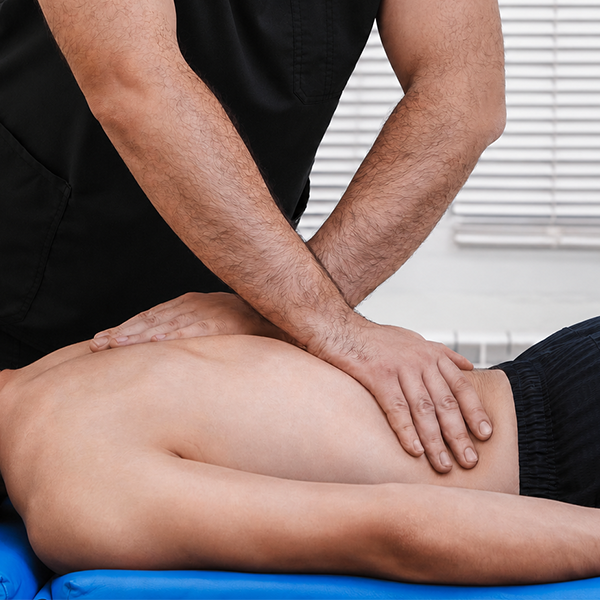
- Manual therapy where appropriate: Hands-on techniques to mobilise the spine, reduce muscle tension, and improve joint movement. Manual therapy for back pain Dubai patients find this particularly helpful in the early stages of treatment.
- Education and activity modification: Understanding your condition, knowing what to avoid and what to do more of, and learning how to manage flare-ups confidently.
- Rehabilitation planning: A structured plan that progressively builds your capacity and moves you toward full functional recovery, not just short-term pain relief.
Our spine specialist physiotherapy Dubai team draws on all of these tools to create a treatment plan that fits your specific diagnosis, lifestyle, and goals.
What Should You Expect at a Spine Physiotherapy Appointment?
Many people are unsure what a spine physiotherapy appointment involves, which can sometimes delay them from seeking help. Here's a straightforward overview of what to expect:
- Assessment: Your first appointment begins with a detailed conversation about your symptoms, history, and daily life. This is followed by a physical assessment covering movement, posture, nerve function, and strength.
- Clinical findings: Your physiotherapist will explain what the assessment has revealed, including the likely source of your symptoms and any contributing factors.
- Treatment plan: You'll receive a clear, personalised plan outlining the proposed approach, realistic goals, and expected timeline for progress.
- Initial treatment: In most cases, some form of treatment begins in the first session, whether hands-on work, exercise guidance, or movement education.
- Exercise guidance: You'll leave with a set of exercises to work on between sessions, explained clearly so you can perform them safely at home.
- Progress tracking: Each subsequent session reviews your progress, adjusts the plan as needed, and keeps you moving forward.
Appointments are straightforward, clinically focused, and designed to help you understand your condition as much as treat it. There's no pressure and no unnecessary complexity.
Where Can You Find Disc and Spine Physiotherapy in Dubai?
If you're looking for disc and spine physiotherapy in Dubai, Physiowell offers a full range of assessment and treatment services for spinal conditions from acute disc injuries and sciatica to persistent back pain and post-surgical rehabilitation.
Our team provides evidence-based, personalised care with a clear focus on getting you back to the activities that matter. Whether you need an initial assessment, an ongoing physiotherapy plan, or specialist spinal rehabilitation, we're here to help.