Dubai Osteopathy: What It Treats, Costs & What to Expect
If you have chronic back pain or stiffness and you are wondering whether an osteopath could help, this Dubai osteopathy guide is for you. Osteopathy is a gentle, whole-body approach, contrary to localized treatment, that a lot of people in Dubai turn to for pain and movement problems, yet few really know what it involves. Here is a clear, practical look at what osteopathy treats, whether it is safe, what a session costs, and where to find it.
What Is Osteopathy?
Osteopathy is a hands-on manual therapy that works with your body's structure to support its own ability to heal. Rather than focusing only on the symptom or painful spot, an osteopath looks at how your whole body moves and connects. For a deeper look at the philosophy behind it, see our osteopathy service page. In short, it is gentle, whole-body care that treats the cause, not just the symptom.
How Does Osteopathy Work?
The core idea is simple: your body works as one connected unit. When one area is tight or restricted, it can affect movement and comfort elsewhere. An osteopath treats the whole structure, muscles, joints and connective tissue, to release that restriction and help everything move more freely. The aim is to restore balance, so your body can function and heal the way it should.
What Does an Osteopath Do?
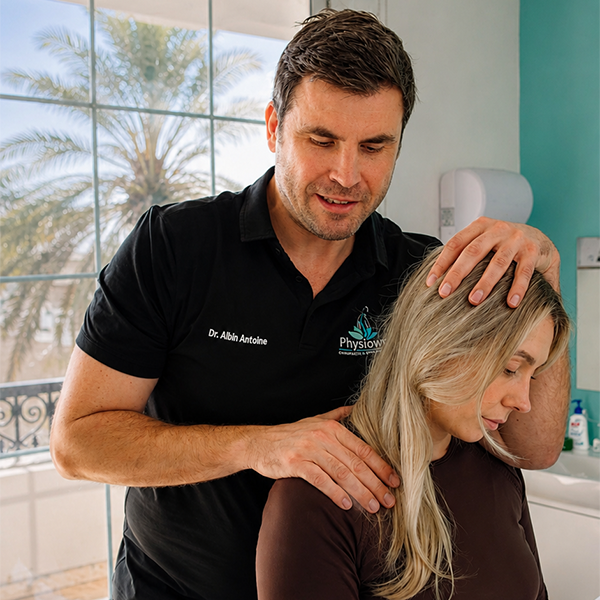
An osteopath starts by assessing how you move and where restriction or tension sits. Then they use gentle, hands-on techniques, stretching, mobilization and careful manipulation, to ease that tension and restore movement. It is a calm, tailored process, and nothing is forced. The focus is always on working with your body, not against it.
What Conditions Can Osteopathy Treat?
Osteopathy may help support a range of musculoskeletal issues. Here are the most common ones people seek it for.
Back Pain
Osteopathy for back pain eases muscular tension and restriction around the spine, which can relieve discomfort and improve movement.
Neck Pain & Posture
For neck pain and posture strain from long hours at a desk, gentle osteopathic techniques relax tight structures and support better alignment.
Sciatica & Nerve-Related Pain
Osteopathy can address the muscular tension around an irritated nerve, which helps some cases of sciatica. Where the cause is a disc injury pressing on the nerve, osteopathy supports the surrounding muscles but does not fix the disc itself.
Cranial Osteopathy
Some people seek cranial osteopathy, a very gentle technique. The evidence for it is limited, so it is best approached as gentle, supportive care rather than a proven cure.
Is Osteopathy the Same as Physiotherapy?
Not quite, though they overlap. Both are hands-on and evidence-aware, but physiotherapy leans more on exercise-based rehabilitation, while osteopathy uses a whole-body manual approach. They often complement each other, which is why many clinics, including ours, offer both and match the approach to your condition rather than forcing one path.
What Is the Difference Between Osteopathy and Chiropractic?
This is a common question. In simple terms, chiropractic focuses more on localized adjustments to relieve pressure on nerves and joints, while osteopathy takes a broader, whole-body manual approach. There is real overlap, and neither is better in the abstract. The right choice depends on you and your condition, which is exactly why an assessment matters.
Is Osteopathy Safe?
For most people, osteopathy is safe and gentle when performed by a qualified, DHA-licensed osteopath. The most common effect is mild, temporary soreness afterwards, much like after exercise. That said, some symptoms need a doctor first: severe or worsening pain, numbness or weakness, or pain after a serious injury should be medically assessed before any hands-on treatment. A good osteopath always screens for this at your first visit.
What Happens During an Osteopathy Session?
Knowing what to expect makes the first visit easier. A typical session follows four simple steps: a discussion of your symptoms and history, a gentle physical assessment of how you move, hands-on treatment tailored to what is found, and aftercare advice to support your recovery. It is relaxed and personalized, and your osteopath explains each step as they go.
How Much Does an Osteopathy Session Cost in Dubai?
Costs vary, so it helps to know the general picture. In Dubai, an initial osteopathy consultation is usually priced a little higher than a follow-up session, because it includes a full assessment. Exact prices depend on the clinic, the practitioner and your treatment plan, so the honest answer is to check directly for a precise quote. We are always happy to explain our pricing clearly before you book, with no surprises.
Are Osteopaths in Dubai DHA Licensed?
Yes, reputable osteopaths in Dubai are licensed by the Dubai Health Authority (DHA), which sets the standard for safe, qualified practice. It is always worth checking that your practitioner holds a valid DHA license before booking, and a trustworthy clinic will happily confirm it. Proper licensing is your assurance that you are in safe, qualified hands.
How Many Osteopathy Sessions Will I Need?
It depends on your condition. Some people feel noticeably better after just one or two sessions, while longer-standing or chronic issues may need a short course of treatment. Rather than a fixed number, a good osteopath sets out a realistic plan after your assessment and reviews it as you progress, so you are never signed up for endless sessions.
Where Can I Find Osteopathy in Dubai?
If you are searching for a good osteopath near you, look for a DHA-licensed practitioner within an integrated clinic, so your care can draw on more than one discipline if needed. At Physiowell on Al Wasl Road, our osteopathy in Dubai, right in Al Manara, is delivered by qualified osteopaths as part of a whole-body approach to your health.
Osteopathy at Physiowell Dubai
What makes Physiowell different is the integrated setup. Here, osteopathy sits alongside physiotherapy and chiropractic under one roof, so your care is matched to your actual condition rather than forced into a single method. Our DHA-licensed osteopaths take a gentle, whole-body approach, and because the whole team works together, you get honest guidance on the right discipline, or combination, for you.
Book Your Osteopathy Assessment in Dubai
Curious whether osteopathy could help you? Book an assessment and let us give you an honest recommendation. You can also explore our osteopathy and chiropractic services for more.
Physiowell, Al Manara, Al Wasl Road, Villa 947, Makani 19841 82767, Dubai, UAE. Call +971 4 269 2121 or WhatsApp +971 4 269 2121. Open Sunday 9am to 6pm, Monday to Friday 9am to 7pm.