Healthy Lifestyle Habits: 5 Simple Daily Changes
The secret to a healthier life isn't a dramatic overhaul. It's small, realistic healthy lifestyle habits you can actually keep. Big resolutions tend to fade within weeks, while tiny daily changes quietly add up over time. This guide shares five simple, science-backed daily habits for a healthy lifestyle, and, just as importantly, how to make them stick.
Which Healthy Lifestyle Habits Make the Biggest Difference?
The five habits that can make the biggest difference are: move more than you sit, get enough sleep, stretch daily, meditate briefly and reward yourself in healthy ways. Here's how each one works.
Move More Than You Sit
Long hours of sitting quietly strain your body. Breaking up sitting with movement is one of the simplest wins for your health, and a core active lifestyle tip.
Get at Least 7 Hours of Sleep
Sleep is when your body repairs itself. Consistent, quality rest supports everything from mood to recovery.
Stretch Your Sore Body Parts Daily
A few minutes of gentle stretching eases the tension that builds up from daily life and desk work. The daily stretching benefits add up quickly.
Meditate for 5 Minutes
A short daily pause calms the mind, lowers stress and helps you think more clearly.
Master Healthy Self-Rewarding
Rewarding your progress in healthy ways keeps you motivated without undoing your hard work.
How Can I Start Living a Healthier Life?
If you're wondering how to live a healthier life, the honest answer is: start smaller than you think. Pick one of the five habits above, make it almost too easy to skip, and build from there. Healthy habits to start with are the ones you'll barely notice adding, a five-minute stretch, a short walk, a slightly earlier bedtime. Momentum does the rest.
How Much Should I Move Each Day to Stay Healthy?
If you're wondering how much should I walk every day, aim for around 25 minutes or more, and look for easy ways to sit less. For how to move more during the day, small swaps add up:
- take the stairs instead of the lift
- walk short errands rather than driving
- stand and stretch during breaks
- take walking calls when you can
Reducing how long you sit also eases the strain that leads to back pain and neck pain.
How Many Hours of Sleep Do I Really Need?
Most adults need at least around 7 hours of quality sleep. For tips for better sleep, try these simple habits:
- keep a consistent sleep and wake schedule
- make your room dark, quiet and cool
- limit caffeine later in the day
- put screens away before bed
Consistently poor sleep raises the risk of chronic health problems, so it's worth looking after.
How Does Sitting Too Long Affect My Health?
The effects of sitting too long add up more than most people realise. Prolonged sitting stiffens the hips and lower back, weakens the core and glutes, slows circulation and encourages the slouched posture that feeds neck and upper-back tension. None of this happens overnight, which is exactly why it sneaks up on desk workers. Breaking up sitting every 30 to 45 minutes is one of the most valuable musculoskeletal health tips there is.
What Are Simple Stretches for a Sore Back or Shoulders?
A few gentle daily stretches for the lower back and shoulders can ease everyday tension:
- posture resets: stand tall and roll your shoulders back
- slow shoulder rolls to release upper-back tightness
- gentle neck side-stretches held for a few seconds
- a slow, supported back stretch within comfort
These help with daily stiffness, but pain that lasts weeks or months needs a physiotherapist or chiropractor rather than stretching alone.
Does Meditation Really Reduce Stress?
Yes. Even a few minutes of meditation can lower stress and improve mental clarity, which is a big part of the benefits of meditation for stress. You don't need anything elaborate to start:
- begin with just 5 minutes a day
- set a phone reminder so you don't forget
- if sitting still isn't for you, try a calming alternative like a quiet cup of tea or a short walk
If you're not sure how to start meditating, the goal is a small, regular pause, not perfection.
How Do I Reward Myself in a Healthy Way?
Rewards work because they release dopamine, the brain's motivation chemical. The trick is choosing rewards that don't undo your progress, so reward yourself without food wherever you can:
- time with people you love
- a good book or a favourite hobby
- time outdoors in nature
- a relaxing activity you enjoy
Healthy rewards keep motivation high without the guilt that often follows unhealthy indulgences.
How Do I Build Healthy Habits That Actually Stick?
The secret is starting small. Here's how to build healthy habits that stick, even when motivation dips:
- start with a version so small it feels easy
- stack a new habit onto one you already do
- use reminders and simple tracking
- be kind to yourself when you slip
Slip-ups are a normal part of the process, not a reason to give up. Consistency over time is what matters.
Can Daily Habits Help Reduce Back and Neck Pain?
Yes. Good posture, regular movement and daily stretching all reduce the strain that leads to musculoskeletal pain. Building these habits to reduce back pain into your routine is far easier than addressing pain once it sets in. Getting ahead of it helps keep you comfortable and stops small issues from becoming bigger ones.
How Can Good Posture Help Reduce Pain?
Good posture spreads load evenly across the spine instead of concentrating it on a few overworked areas. For desk workers, posture habits for desk workers (screen at eye level, feet flat, shoulders relaxed, regular breaks) take sustained strain off the neck and lower back, which is where so much daily pain starts. Small posture resets through the day do more than one big correction.
Why Are Regular Physiotherapy Check-Ups Important?
Think of it like visiting the dentist. You don't wait until there's a serious problem to get a check-up. Regular preventive physiotherapy visits catch things like poor posture or muscle imbalances early, before they turn into pain. Making routine physiotherapy or chiropractic part of your lifestyle is a simple way to work on reducing the risk of problems rather than reacting to them, and it's one of the smartest preventive health habits you can keep.
When Should I See a Physiotherapist Even If I'm Not in Pain?
Knowing when to see a physiotherapist for prevention is simple: it's worth a visit when you're starting a new exercise routine, spending long hours at a desk, noticing stiffness creeping in, or returning to activity after a break. You don't need to be in pain to benefit. A check-up while you feel fine is exactly when there's the most to look after.
Where Can I Get Preventive Wellness Support in Dubai?
If you want to build healthy lifestyle habits with expert support, a wellness-focused physiotherapy and chiropractic clinic can help. At Physiowell on Al Wasl Road, our team offers healthy lifestyle guidance and preventive care to help you feel your best, as part of a simple daily wellness routine that fits your life.
Build a Healthier You With Physiowell in Dubai
We're not just here for injuries. Physiowell is a long-term wellness partner, supporting the habits that keep you comfortable through preventive care, posture and ergonomics education, and routine check-ups. Think of us as the support that helps your five healthy habits actually last.
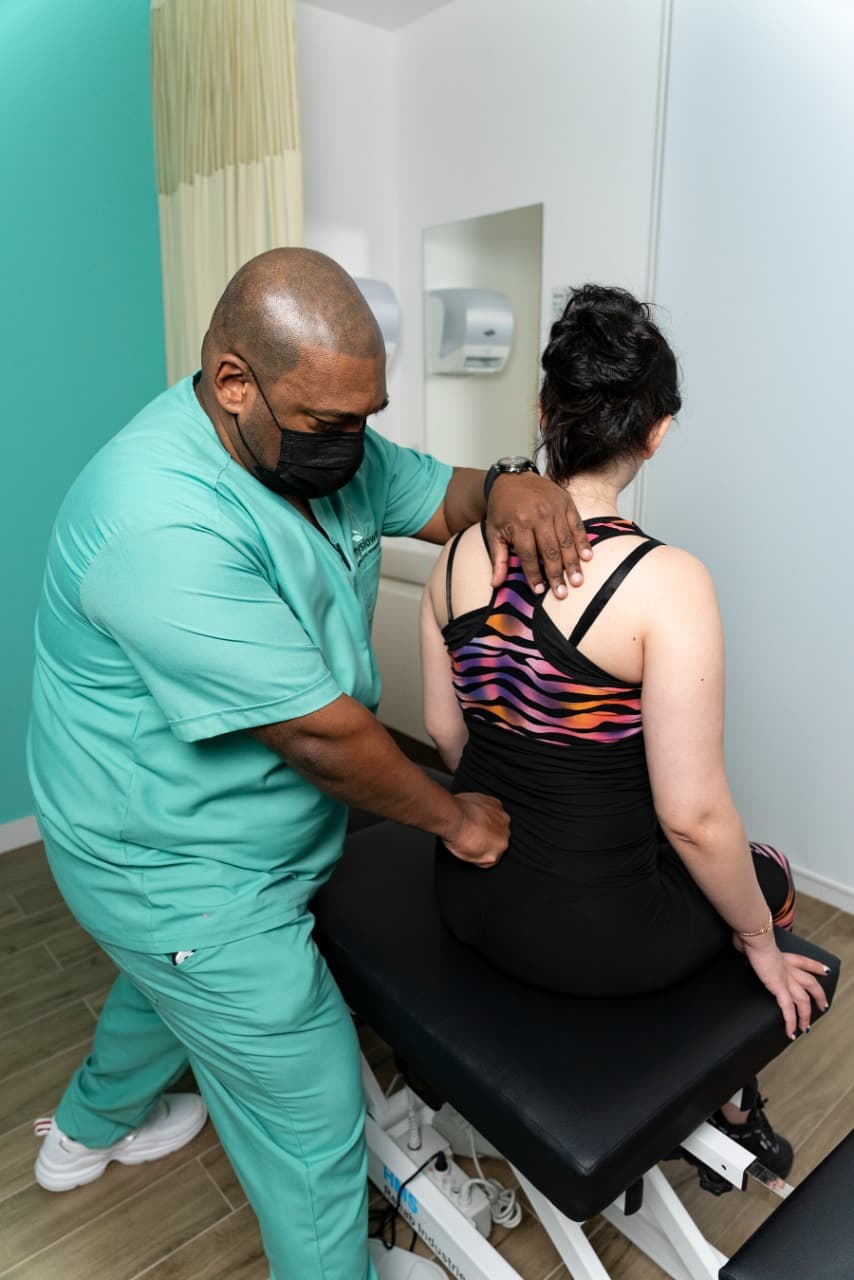
Ready to Meet a Healthier You? Visit Physiowell in Dubai
Book a check-up and take one small step toward a healthier you. If you're searching for a wellness clinic near me in Dubai, our team on Al Wasl Road, in Al Manara, is easy to reach from across the city.
Physiowell, Al Manara, Al Wasl Road, Villa 947, Makani 19841 82767, Dubai, UAE. Phone: +971 4 269 2121 | WhatsApp: +971 4 269 2121 | info@physiowell.ae. Open Sunday 9am to 6pm, Monday to Saturday 9am to 7pm.