Herniated Disc Treatment: Understanding Herniated, Bulging and Slipped Discs
Herniated disc treatment can feel overwhelming when you're trying to understand what's actually happening in your back or neck. The terms herniated, bulging and slipped get used interchangeably online, but they're not quite the same thing, and knowing the difference shapes the treatment that fits your case. This guide walks through what each one means, how they develop, how they're treated, and what you can expect from recovery.
What Is a Slipped Disc? What Is a Herniated Disc?
A slipped disc, more accurately called a herniated disc, is when the soft centre of a spinal disc pushes through its outer layer and presses on surrounding nerves. The discs sit between the bones of your spine and act as cushions. When one bulges or tears, it can irritate nearby nerves and cause pain. You may also hear it called a bulging disc or a slipped disc.
Herniated, Bulging and Slipped Disc: What's the Difference?
The three terms often get mixed up, but there are real differences. The bulging disc vs herniated disc distinction especially matters for treatment planning.
Bulging Disc
The outer layer of the disc bulges out slightly, like a tyre that's weakened on one side. The soft centre stays contained. A bulging disc is often the most straightforward of the three to manage, because the disc wall is still intact.
Herniated Disc
The outer layer tears, and the soft inner material pushes through. This is more significant than a bulge, and it's more likely to press on a nearby nerve. The disc bulge vs disc protrusion debate often comes up here, with protrusion being a specific type of herniation where the material stays connected to the disc.
Slipped Disc
This is the everyday term, not a medical one. It's used loosely to describe both bulges and herniations. Clinicians prefer the more specific terms, but slipped disc treatment generally covers the same approaches as the other two.
Most people with 'disc problems' have one of these three patterns. The exact label matters less than what the assessment finds and which nerve, if any, is irritated.
A Quick Look at Intervertebral Disc Anatomy
Understanding intervertebral disc anatomy helps make sense of what goes wrong. Each spinal disc has two main parts:
- The annulus fibrosus: the tough outer ring of fibrous tissue that keeps the disc contained
- The nucleus pulposus: the soft, gel-like centre that gives the disc its shock-absorbing properties
The disc is designed to flex and absorb load as you move. When the outer annulus weakens or tears, the softer nucleus can push out, which is what causes bulges and herniations.
What Causes a Slipped Disc?
Causes of slipped disc problems come from a mix of everyday strain and wear over time. Common contributors include:
- poor posture, especially from long hours of desk work
- lifting heavy objects incorrectly, including gym-related injuries
- sudden movements, awkward twisting or trauma from a fall
- natural age-related disc wear
- a sedentary lifestyle with weak core support
- genetic factors that affect disc strength
What Are the Symptoms of a Herniated Disc?
Herniated disc symptoms and slipped disc symptoms overlap significantly, and both depend on where the disc is and which nerves are affected. Common signs include:
- pain in the back or neck
- pain radiating into the arms or legs
- numbness or tingling (often called a pinched nerve in back cases)
- muscle weakness
- pain that worsens with movement, sitting or coughing
How Do I Know If My Back Pain Is a Slipped Disc?
Not every episode of back pain is a slipped disc. These signs point more toward a disc problem rather than muscle strain:
- pain that radiates down the arm or leg, not just in the back
- numbness or tingling in a specific area
- muscle weakness in the leg, foot, arm or hand
- pain that gets worse with sitting, bending forward or coughing
- symptoms that follow a 'dermatome' pattern (a nerve's territory)
If several of these apply to you, an assessment can confirm whether a disc is involved.
Can a Herniated Disc Cause Leg Pain or Numbness?
Yes, this is one of the most common patterns. Sciatica from herniated disc pressure is a textbook example. When a disc in the lower back (often at L4-L5 or L5-S1) presses on the sciatic nerve, it can cause pain that travels through the buttock and down the leg, sometimes all the way to the foot. Numbness, tingling and weakness can follow the same path.
L4 L5 disc bulge treatment is one of the most common disc cases we see, specifically because this is where the spine handles the most load.
Lumbar vs Cervical Herniated Disc
Herniated discs develop in different regions of the spine, and the symptoms follow which disc is involved.
Lumbar Herniated Disc
The most common location, in the lower back. Lumbar herniated disc cases often cause back pain plus leg symptoms (sciatica). L4-L5 and L5-S1 are the two most common levels.
Cervical Herniated Disc
In the neck. Cervical herniated disc problems typically cause neck pain plus symptoms down the arm, including tingling, numbness or weakness in the hand.
The treatment principles are similar across regions, but the specific exercises and manual techniques are tailored to each.
Is a Slipped Disc Serious?
In most cases, no. Many herniated discs are mild and improve with conservative, non-surgical care. It becomes more serious when nerve compression causes significant weakness or worsening symptoms. Seek urgent medical attention if you experience severe weakness or any loss of bladder or bowel control: these are red flags that need immediate care. For most people, though, the outlook is reassuring.
When Should You See a Specialist?
Consider booking an assessment if you notice:
- pain that persists beyond a week or two
- pain radiating down an arm or leg
- numbness, tingling or weakness
- symptoms that interfere with daily life or sleep
- any severe weakness or loss of bladder or bowel control (seek urgent care immediately)
How Is a Slipped Disc Diagnosed?
Diagnosis follows a clear, step-by-step process:
History: a clinician discusses your symptoms, lifestyle and how the pain began.
Physical exam: they check your movement, reflexes, strength and the specific nerves involved.
Imaging when needed: a scan such as an MRI may be recommended to confirm the diagnosis and guide treatment, especially if nerve symptoms are present.
Can a Slipped Disc Heal on Its Own?
In many cases, yes. The body can gradually reabsorb some of the herniated material over weeks to months, and inflammation around the irritated nerve tends to settle with time and the right approach. Mild cases often improve with activity modification, movement and self-care alone.
That said, 'healing on its own' doesn't mean 'doing nothing'. Rest without any guided movement often prolongs the problem. Gentle, structured activity typically speeds the process.
Can a Herniated Disc Heal Without Surgery?
Yes, in many cases. Most herniated discs improve without surgery. With time, rest and the right treatment, pressure on the nerve often eases and symptoms settle. A non-surgical herniated disc treatment approach focuses on easing pain, reducing nerve irritation and developing the muscles that support the spine. Surgery is usually considered only when conservative care hasn't helped or red-flag symptoms are present.
Do I Need Surgery for a Herniated Disc?
Most people with a herniated disc don't need surgery. Herniated disc surgery alternatives, including physiotherapy, chiropractic care and disc decompression therapy, help the majority of patients. Surgery is typically reserved for:
- severe or worsening nerve symptoms (significant weakness, numbness that's progressing)
- cases that haven't improved after 6 to 12 weeks of structured conservative care
- red-flag symptoms such as loss of bladder or bowel control (cauda equina syndrome), which is an emergency
Non Surgical Herniated Disc Treatment Options
A non-surgical herniated disc treatment plan usually combines several approaches tailored to the individual case:
Chiropractic Care
A chiropractor for herniated disc cases uses hands-on techniques to help improve spinal alignment and ease pressure on the affected nerve. Learn more about chiropractic care.
Physiotherapy and Rehabilitation
Physiotherapy for herniated disc work uses targeted exercise and manual therapy to develop the strength and stability that support the disc. See our physiotherapy approach for more.
Spinal Decompression Therapy
Disc decompression therapy gently eases pressure on the disc and nerves to support natural recovery, and it is often used for disc-specific cases, especially when nerve symptoms are involved.
Can Physiotherapy Help a Herniated Disc?
Yes, and for most cases physiotherapy is a core part of the treatment plan. It helps ease pain, support movement and develop the muscles that support your spine, which takes pressure off the disc. It also teaches you how to move safely and helps reduce the chance of the problem returning.
The word 'cure' overstates what any single treatment does. Physiotherapy supports the body's own recovery, and most people get back to normal activity without ongoing problems.
Is Spinal Decompression Safe for a Herniated Disc?
For most patients with a herniated disc, yes. When performed by trained clinicians on a properly maintained motorised decompression table, the process is gentle, controlled and generally well-tolerated.
It's not suitable for every condition. Certain situations, including pregnancy, recent spinal surgery, severe osteoporosis, spinal fractures and some types of spinal tumour, may make decompression unsuitable. A full assessment at the start rules these out.
Can a Chiropractor Help a Herniated Disc?
Yes, when the technique is matched to the case. A chiropractor for herniated disc work uses hands-on spinal mobilisation and specific adjustments, often alongside soft-tissue techniques and exercise. For disc cases, the approach is usually gentler than for general back pain, and the clinician will adapt the method based on the stage and severity.
The word 'fix' is a bit strong: a chiropractor can't make a herniated disc disappear, but the right care often helps the symptoms settle significantly.
What Exercises Help a Herniated Disc?
Exercises for herniated disc cases typically fall into three groups. The right starting point depends on which movements ease your symptoms versus aggravate them, and a physiotherapist should guide the pace.
Mobility and Nerve-Gliding
Gentle movements that help the spine and surrounding nerves move more comfortably. Think cat-cow, pelvic tilts and specific nerve glides for the leg or arm.
Core and Spinal Stability
Work for the deep core, glutes and back muscles that support the spine. Dead bugs, bird-dogs and side planks are common starting points for lumbar cases.
Directional Preference
Many disc cases respond better to extension-based (McKenzie) exercises, especially for lumbar herniations. A physio will test which direction eases your specific symptoms before prescribing a plan.
If an exercise sharply increases your leg or arm pain, stop and get guidance. The wrong exercise at the wrong stage can set recovery back.
What Should I Avoid Doing with a Herniated Disc?
During the acute phase of a herniated disc, these habits tend to worsen symptoms:
- heavy lifting, especially with a rounded back
- prolonged sitting without breaks (worst position for disc pressure)
- deep forward bending and twisting at the waist
- high-impact activities like running or jumping
- sitting in soft, deep sofas that round the lower back
- pushing through sharp or radiating pain
Is Walking Good for a Herniated Disc?
In most cases, yes. Walking is one of the more useful early activities for a herniated disc, because it keeps the spine moving without high loads, encourages blood flow to the healing area, and avoids the prolonged sitting that tends to aggravate disc symptoms.
Start with shorter walks on flat ground and build up gradually. If walking makes your leg or arm symptoms worse, modify the pace or distance and check in with your clinician.
What Sleeping Position Helps a Herniated Disc?
The right sleeping position for herniated disc comfort depends on which disc is affected and which direction eases your pain. General guidance:
- Side-sleeping with a pillow between the knees often works well for lumbar cases, keeping the spine neutral
- Back-sleeping with a pillow under the knees helps reduce load on the lower back
- Avoid stomach-sleeping, which forces the lower back into extension and can aggravate symptoms
- For cervical cases, keep a pillow that supports the natural curve of the neck, not too high or too flat
- A firmer mattress tends to support the spine better than a very soft one
How to Ease Herniated Disc Pain Quickly
A few safe steps can help ease pain while you recover:
- avoid positions and movements that make the pain worse
- keep gentle, regular movement rather than full bed rest
- apply heat or cold as comfortable, whichever feels better for you
- follow your physiotherapy and treatment plan consistently
- book a professional assessment rather than guessing on your own
What Is the Difference Between a Herniated Disc and Sciatica?
They're related but not the same.
- A herniated disc is the structural problem: a disc bulges or tears.
- Sciatica is a symptom: nerve pain that travels down the leg when something, often a herniated disc, presses on the sciatic nerve.
In short: a herniated disc is a common cause, and sciatica is one of its effects.
How Long Does a Herniated Disc Take to Heal?
Herniated disc recovery time depends on severity and consistency of care. A realistic guide:
Mild cases
Often improve within 4 to 6 weeks with the right care.
Moderate cases
6 to 12 weeks of structured conservative care is common.
More significant cases
3 to 6 months or longer, especially when nerve symptoms are prominent or the herniation is large.
After your assessment, your clinician will give you a realistic range for your specific case.
Where to Get Disc Treatment in Dubai
If a herniated disc is affecting your daily life, a specialized spine care team can assess it and guide your recovery. Physiowell on Al Wasl Road offers a full disc injury treatment programme that brings chiropractic, physiotherapy and spinal decompression together under one roof, with a non-surgical plan built around your specific case.
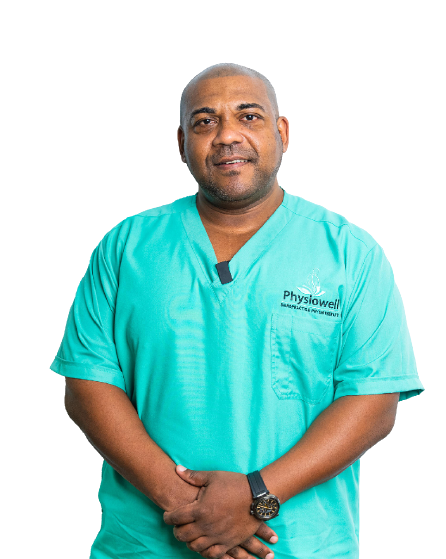
Book Your Disc Assessment at Physiowell
You don't have to live with disc pain. Book an assessment with our team and start a personalized, non-surgical plan built around your recovery.
Physiowell, Al Manara, Al Wasl Road, Villa 947, Makani 19841 82767, Dubai, UAE. Phone: +971 4 269 2121 | WhatsApp: +971 4 269 2121 | info@physiowell.ae. Monday to Saturday 9am to 7pm