Holistic Healing: Why Osteopathy is More Than Just Joint Adjustment
When most people hear the word osteopathy they think about someone cracking joints or adjusting the spine.. Osteopathy is more than that. Osteopathy is about how your whole body works.
Osteopathy looks at muscles and joints. Even your lifestyle, to see how these things affect how you feel every day. Osteopathy does not just try to make the pain go away, it tries to figure out why you have pain in the first place.
That is what makes osteopathy holistic.
What is Osteopathy?
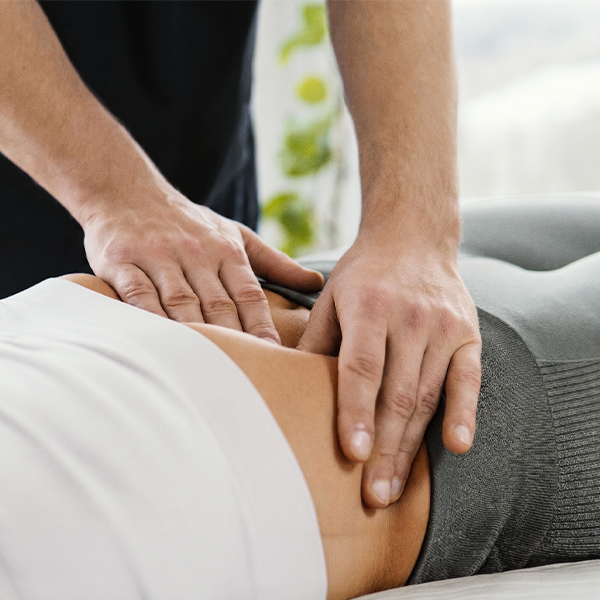
Osteopathy is an approach to healthcare that relies on the use of touch to examine the body as a whole unit and its various parts working together.
Instead of treating only the one injured or diseased body area, the osteopathic physician will examine how different areas of the body (muscles, ligaments, tendons) all interact. In addition, your body's posture, the way you move and/or the amount of stress you carry will all have an impact on your body's ability to perform optimally.
In essence, the goal is very basic. To allow your body to be able to move freely and therefore be subject to less injury or disease.
How Does Osteopathy Work?
By enhancing the body's abilities to move and adapt, osteopathic treatment can improve the way that your body performs and reacts.
Osteopathic practitioners use a variety of applications to treat different parts of the body:
- Muscle: loosen tightened muscles and reduce tension
- Joint: enhance range of motion and improve joint alignment
- Body Systems: enhance blood flow and support the function of the nervous system
The treatment aims to promote natural recovery rather than applying force for repositioning the body.
Is Osteopathy Holistic?
Yes, and this is where it stands out.
Osteopathy checks the body and thinks that pain in one part can be linked to a problem somewhere else.
For example, if your lower back hurts it might be because of bad posture, tight hips or the way you sit at your desk.
Most treatments just focus on easing the pain. Osteopathy tries to fix the root cause by using manipulation to correct the way your body works.
What Conditions Can Osteopathy Treat?
Osteopathy can help with a wide range of issues which may consist of, and is not limited to:
Pain related conditions
- Back pain
- Neck pain
- Shoulder discomfort
- Headaches
Posture related issues
- Rounded shoulders
- Forward head posture
- Desk related strain
Mobility problems
- Stiff joints
- Reduced flexibility
- Movement restrictions after injury
The focus is always on improving how the body moves, not just reducing pain for the short term.
What Are the Benefits of Osteopathy?
Many individuals comprehend changes, both in pain and the overall feeling of their body.
Common benefits include:
- Reduced levels of pain and tension.
- Increased levels of mobility and flexibility.
- Improved postural alignment.
- Easier movement to complete everyday activities.
- Sense of improved physical balance.
Improvements in symptoms typically occur more frequently when combined with minimal adjustments to one’s lifestyle.
Osteopathy vs Physiotherapy
While both conditions help you perform a greater number of activities within your current state of functionality, they tend to use somewhat distinct forms of treatment to achieve this result.
Physiotherapy typically involves rehabilitation targeted toward specific injuries or conditions, while osteopathy takes a more holistic approach to treatment from the perspective of the body’s interdependence and by focusing on multiple areas of the body at one time.
In many instances, the two can work together as complementary therapies rather than conflicting methods of rehabilitation.
When Should You Consider Osteopathy?
When considering osteopathy, waiting for crippling pain is not necessary.
For example, you may want an evaluation if you:
- Are experiencing unending or returning pain.
- Have any stiffness that hasn’t improved.
- Are having any sort of alignment issue due to work or daily routines.
- Didn’t have a full range of motion/flexibility.
If there’s a disruption in your body and nothing has improved, you probably should look into the cause.
How Osteopathy Supports Long Term Health?
Osteopathy is not just about short term relief.
It can play a role in maintaining your overall physical health by:
- Preventing small issues from becoming bigger problems
- Keeping joints and muscles moving well
- Supporting better posture over time
- Helping you stay active without discomfort
It’s more about consistency than quick fixes.
Finding an Osteopath in Dubai
When you are thinking about osteopathy, finding the right person to help you is a big deal. You need to find someone who tries to get to know your history and what is the issue with you.
Your Osteopath should tell you what they are doing when they are treating you and make a plan that's just for you and your life.
If you want to try osteopathy in Dubai you can look at the people who are offering it and meet with them to see who is the best fit for you. You can talk to specialists who can help you make a decision about who to go to for osteopathy.