Knee Strengthening Exercises: How to Work on Building Stronger, Healthier Knees
The right knee strengthening exercises are one of the smartest investments you can make in your long-term mobility. Your knees carry most of your body weight with every step, so the muscles around them do a lot of quiet work. When those muscles are strong, they take pressure off the joint and steady it; when they are weak, the knee takes more of the strain, which is often where knee joint pain and weak knees begin. In this guide we look at why knee strength matters, what causes knee pain, the exercises and habits that help, and when it is time to see a specialist.
Why Knee Strength Matters
Yes, stronger muscles can reduce knee pain. The quadriceps, hamstrings and hip muscles act like shock absorbers for the joint, so when they are strong they take load off the knee itself and keep it tracking correctly. When they are weak, the joint carries more of the strain, and that is a common reason for weak knees and ongoing knee joint pain. This is why strengthening exercises for knees sit at the heart of looking after them, at any age.
What Causes Knee Pain?
Most knee pain comes down to a few common causes, and knowing them is the first step. The main knee pain causes include:
- overload and heavy lifting that stress the joint
- skipping warm-ups before exercise or activity
- arthritis and joint wear, including osteoarthritis of the knee
- knee strains and sprains from sudden or awkward movements
- ageing and repeating the same wrong movements over time
Conditions such as knee arthritis and runners knee also add to the load, which is why building strength and good habits matters at every stage of life.
Who Is Most at Risk of Knee Pain?
Some people are more likely to develop knee pain than others. See if any of these knee pain risk factors apply to you.
Carrying Extra Weight
Extra body weight puts more load on the knees with every step, speeding up wear. Managing your weight is one of the most useful ways to look after them, and weight and knee pain are closely linked.
Weak or Inflexible Muscles
Weak or tight muscles give the knee less support and stability. Strengthening and stretching them helps the joint absorb pressure more safely, which is exactly what good knee strengthening exercises are for.
High-Impact Sports and Jobs
Activities and jobs involving jumping, running or constant kneeling stress the knees. Preparing properly and varying your movements eases the strain, which matters for anyone active in sports.
A Previous Knee Injury
A past knee ligament injury raises the risk of future problems. A tailored strengthening plan helps develop stability again and lowers the chance of re-injury.
Knee Strengthening Exercises to Try
Effective knee strengthening exercises are the ones that build the muscles around the joint without overloading it. A simple routine of strengthening exercises for knees targets the quadriceps, hamstrings and hips. Start gently, build up slowly, and get professional guidance on form before you progress.
Straight-Leg Raises (Quadriceps)
Lying down, keep one leg straight and lift it slowly, then lower with control. Quadriceps strengthening exercises like this build support for the front of the knee without bending it under load.
Hamstring Curls
Standing or lying, bend the knee to draw the heel toward you and lower slowly. Hamstring exercises balance the strength at the back of the leg, which helps steady the joint.
Step-Ups and Mini Squats
Controlled step-ups and shallow mini squats build strength through a safe range. If you feel knee pain from exercise, reduce the depth and focus on slow, controlled movement rather than pushing through.
Bridges and Hip Work
Strong hips take pressure off the knee. Glute bridges and side-lying leg raises support the whole chain, so the knee is not doing the work alone.
Low-Impact Exercises Kind to Your Knees
If high-impact activity triggers your symptoms, low impact exercises for knees keep the joint moving without the pounding. Knee-friendly options include:
- walking
- cycling
- swimming
- yoga and gentle stretches for knees
Knee pain from exercise often comes from doing too much, too soon, on hard surfaces. Low-impact movement lets you stay active while the muscles around the knee keep getting stronger.
Does Losing Weight Reduce Knee Pain?
Yes. Losing weight can noticeably reduce knee pain, because managing your weight takes pressure off the joint. Excess body fat is also linked to inflammation and a higher risk of osteoarthritis, so knee pain and osteoarthritis often ease together as weight comes down. Small, steady changes, such as smaller portions and drinking more water, add up over time.
Why Warming Up Reduces Knee Injury Risk
Warming up boosts blood flow and prepares your muscles and joints for movement, so they can absorb load more safely and lower the risk of strains. Aim for at least five minutes of gentle, dynamic movement before any activity or knee pain exercises. It is a small habit that makes a real difference.
Why Do My Knees Hurt on Stairs?
Climbing stairs multiplies the load on your knee joint, so any weakness or wear shows up quickly. Knee pain when climbing stairs can signal weak muscles, extra weight or early joint wear. The same pattern often appears with deep knee bends, so knee pain squats is a common search too. Building strength through the exercises above usually helps.
Everyday Habits That Keep Knees Healthy
Knowing how to keep knees healthy comes down to five simple habits you can start today. These are the same habits that many people search for when they look up how to prevent knee pain, and together they lower your risk while your knees get stronger.
Maintain a Healthy Weight
Keeping your weight in a healthy range reduces the load on your knees every single day.
Keep Moving with Low-Impact Activity
Regular low-impact movement keeps the joint mobile and the surrounding muscles active.
Always Warm Up First
A few minutes of warming up prepares your muscles and joints and lowers the risk of strains.
Vary Your Movements and Routines
Doing the same movement repeatedly overloads the same part of the knee; mixing it up spreads the load.
Strengthen Muscles and Improve Balance
Stronger muscles and better balance support the knee and steady it against awkward movements and falls. Balance exercises for knee stability are an easy addition to any routine.
How to Avoid Re-Injuring Your Knee
If you have injured your knee before, avoid re-injury by varying your activities, learning new movement patterns and progressing gradually with proper technique. This matters just as much when preventing knee injury in sports. After a past injury, a tailored rehabilitation program is a good way to develop strength and confidence again.
Keeping Knees Healthy as You Age
Looking after your knees as you get older comes down to staying active without overloading the joint. Keep moving with low-impact exercise, maintain muscle strength, manage your weight, and warm up before activity. These same habits matter even more with age, when muscle and cartilage change naturally, so knee strengthening exercises stay just as valuable later in life.
Can Physiotherapy Help With Knee Problems?
Yes. Physiotherapy is one of the most useful ways to look after knee health. A physiotherapist assesses weak or inflexible muscles, checks how you move, and builds a tailored strengthening and balance plan that supports the joint and helps with knee pain relief. Where joint health is the focus, chiropractic and osteopathic care can complement it.
When to See An Expert for Knee Pain
Good habits and strengthening go a long way, but some signs mean you should get your knee checked. See a specialist if you have:
- noticeable swelling around the knee
- instability or a feeling the knee may give way
- persistent or worsening pain
- locking or difficulty straightening the knee
- knee pain with swelling and popping that does not settle
Knee Pain Physiotherapy in Dubai
If you need support, you can get knee pain treatment in Dubai at Physiowell, a clinic offering physiotherapy and osteopathy for knee and joint health. As a knee pain physiotherapy Dubai option, our team assesses your knees, checks how the surrounding muscles are working, and builds a plan to help ease pain and support the joint going forward. If you have been looking for a knee specialist Dubai clinic that focuses on strength and movement, we are easy to reach.
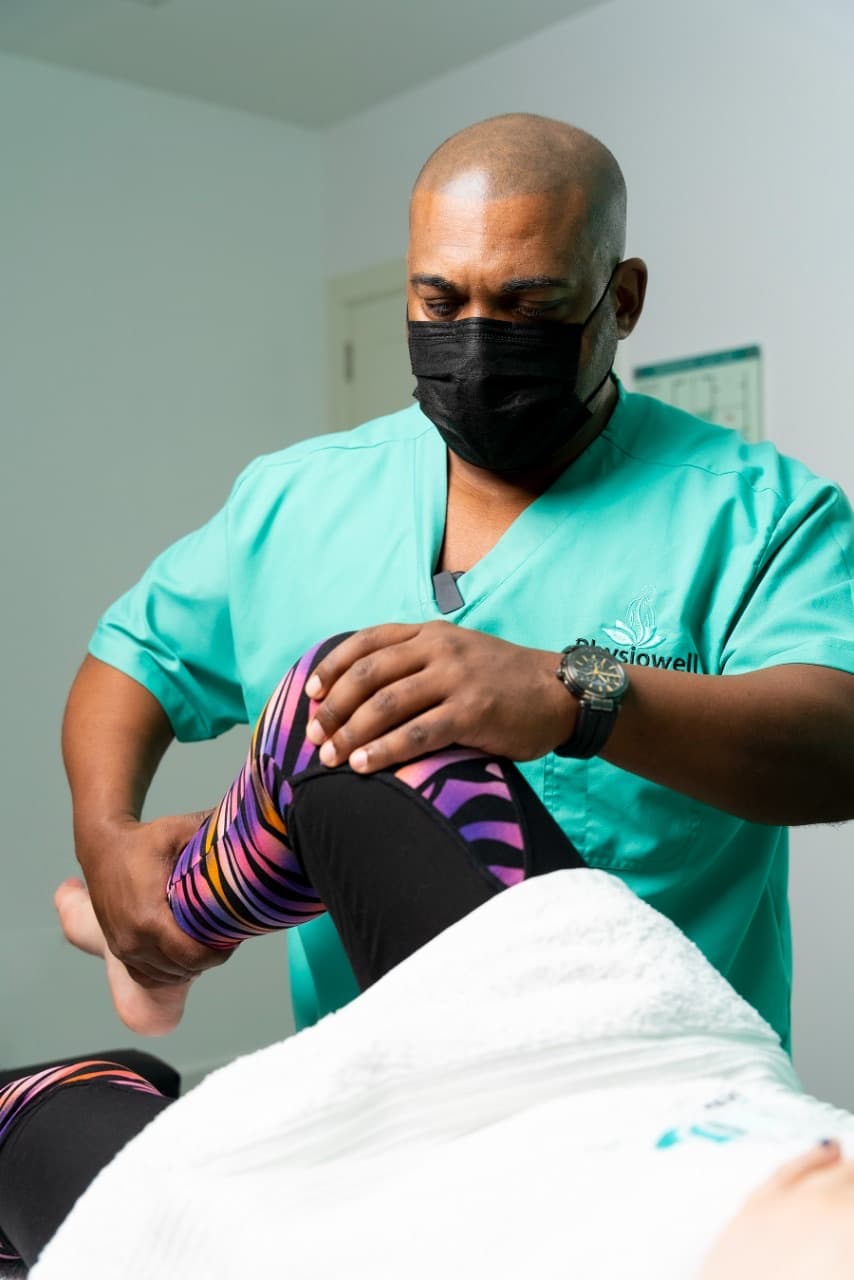
Book a Knee Assessment with Physiowell
Book a knee assessment at Physiowell and take the first step toward stronger, healthier knees. If you are searching for a knee physiotherapist near me in Dubai, our team on Al Wasl Road, in Al Manara, is easy to reach from across the city.
Physiowell, Al Manara, Al Wasl Road, Villa 947, Makani 19841 82767, Dubai, UAE. Phone: +971 4 269 2121 | WhatsApp: +971 4 269 2121 | info@physiowell.ae. Open Monday to Saturday 9am to 7pm