Non-Surgical Spinal Decompression: A Drug-Free Alternative to Back Surgery
Non-surgical spinal decompression offers relief from disc pain, sciatica and back pain without drugs or surgery. It's a gentle, modern therapy that eases pressure on your spine so irritated discs and nerves can settle and recover naturally. If you're looking for a way to address back pain that avoids the operating table and the medicine cabinet, this guide explains what it is, who it helps and why it's a strong alternative to back surgery.
What Is Non-Surgical Spinal Decompression?
Non-surgical spinal decompression is a gentle, motorised traction therapy for the spine that eases pressure on the spinal discs and nerves. By carefully stretching the spine, it creates space that helps bulging or herniated discs ease back and takes pressure off irritated nerves. It's non-invasive, drug-free and done while you're fully clothed and relaxed. If you're wondering what is spinal decompression in plain terms, this is it: gentle, controlled traction therapy for the spine, with no surgery involved.
How Does Spinal Decompression Therapy Work?
Understanding how spinal decompression works makes it easy to see why it's so gentle:
You lie comfortably on a motorised table
secured with a supportive harness around the hips and torso.
The table applies a gentle, cyclical stretch
easing pressure on the targeted discs in slow, controlled cycles.
Negative pressure forms inside the disc
which helps discs rehydrate and improves the flow of nutrients that support healing.
Each session is comfortable
and usually takes around 30 minutes, with no downtime afterwards.
Surgical vs Non-Surgical Spinal Decompression: What's the Difference?
Both aim to ease pressure on the spine, but they're very different experiences. Here's how spinal decompression vs surgery compares:
Surgical Decompression
- invasive procedures such as laminectomy or microdiscectomy
- requires recovery and downtime
- usually considered a last resort
Non-Surgical Decompression
- gentle, motorised traction with no incisions
- no downtime, so you resume normal activity
- drug-free and non-invasive
What Conditions Does Spinal Decompression Treat?
Spinal decompression helps a range of disc and nerve-related problems:
Herniated and Bulging Discs
Eases pressure so a herniated disc can ease back and settle. Spinal decompression for herniated disc cases is one of the most common reasons people try it.
Sciatica and Facet Syndrome
Spinal decompression for sciatica takes pressure off the nerves behind the leg pain, and facet syndrome treatment benefits from the same easing of joint-related pressure.
Degenerative Disc Disease
Spinal decompression for degenerative disc disease supports worn discs by improving space and hydration.
Spinal Stenosis
As a spinal stenosis non-surgical treatment, it helps ease the nerve compression caused by a narrowing spinal canal.
Neck and Back Pain
Decompression therapy for back pain and decompression therapy for neck pain address disc-related back pain and neck pain at the source.
Am I a Good Candidate for Spinal Decompression?
Good spinal decompression candidates usually share a few things. You may be a good candidate for spinal decompression if you have:
- disc-related back or neck pain
- sciatica or nerve-related leg pain
- a wish to avoid surgery and medication
- pain that hasn't responded to other conservative care
A professional assessment is the only way to confirm whether spinal decompression is right and safe for you.
Who Should Not Have Spinal Decompression Therapy?
Spinal decompression isn't suitable for everyone. It's generally not recommended for people with:
- pregnancy
- severe osteoporosis
- recent spinal fractures
- spinal tumours or infection
- certain spinal implants or hardware
This isn't a reason to worry. A thorough assessment always screens for safety first, so any concerns are identified before treatment begins.
Is Spinal Decompression Safe and Does It Hurt?
For suitable candidates, spinal decompression is generally safe and comfortable when delivered under professional supervision. Most patients find the gentle stretch relaxing, and many rest or even doze during a session. Spinal decompression side effects are usually limited to mild soreness afterwards, similar to light stretching. Safety comes from proper screening and supervision, which is why it always starts with a full assessment.
How Many Spinal Decompression Sessions Will I Need?
The number of sessions varies with your condition and response to treatment, and your physiotherapist tailors the plan after assessment. Each session usually takes about 30 minutes.
Your therapist will tailor the number of sessions to your specific needs after assessment.
Is Spinal Decompression Better Than Surgery?
They're not direct substitutes, so it's less about better and more about which fits your case. For many disc-related and nerve-related problems that haven't responded to rest, medication or basic physiotherapy, non-surgical decompression is often tried as a step before surgery is considered, because it's gentle, drug-free and needs no downtime.
Severe or progressive cases, or those with specific neurological signs, may still need a surgical review. As an alternative to back surgery for suitable candidates, decompression is a sensible first option to explore, decided together with your clinician.
What Are the Benefits of Non-Surgical Spinal Decompression?
Non-surgical spinal decompression benefits patients look for include:
- it targets the root cause rather than masking pain
- it's completely drug-free
- no surgical downtime or recovery period
- natural pain relief that supports healing
- improved mobility and function
- A gentle, non-invasive option that many people explore before considering surgery.
When Will I Feel Results from Spinal Decompression?
Some people notice improvement early in their course, while for others relief builds progressively over the following weeks. Because everyone responds differently, consistency and patience matter. Sticking with your full treatment plan improves your chances of lasting relief, rather than expecting an instant result after one session.
Where Can I Get Non-Surgical Spinal Decompression in Dubai?
If you want a natural, non-surgical option for disc and nerve pain, a specialized physiotherapy and chiropractic clinic can help. At Physiowell on Al Wasl Road, our team provides non-surgical spinal decompression Dubai patients trust, built around a full assessment of your condition. You can read more on our spinal decompression therapy service page.
Why Choose Physiowell for Spinal Decompression in Dubai?
Our decompression care is built to help you explore a non-surgical route through expert-supervised, advanced treatment:
- specialist physiotherapists and chiropractors on Al Wasl Road
- advanced decompression technology and tailored treatment plans
- an assessment-first approach that confirms you're a safe candidate
- care that works alongside chiropractic and physiotherapy where it suits your case
- a focus on lasting, root-cause relief rather than shortcuts
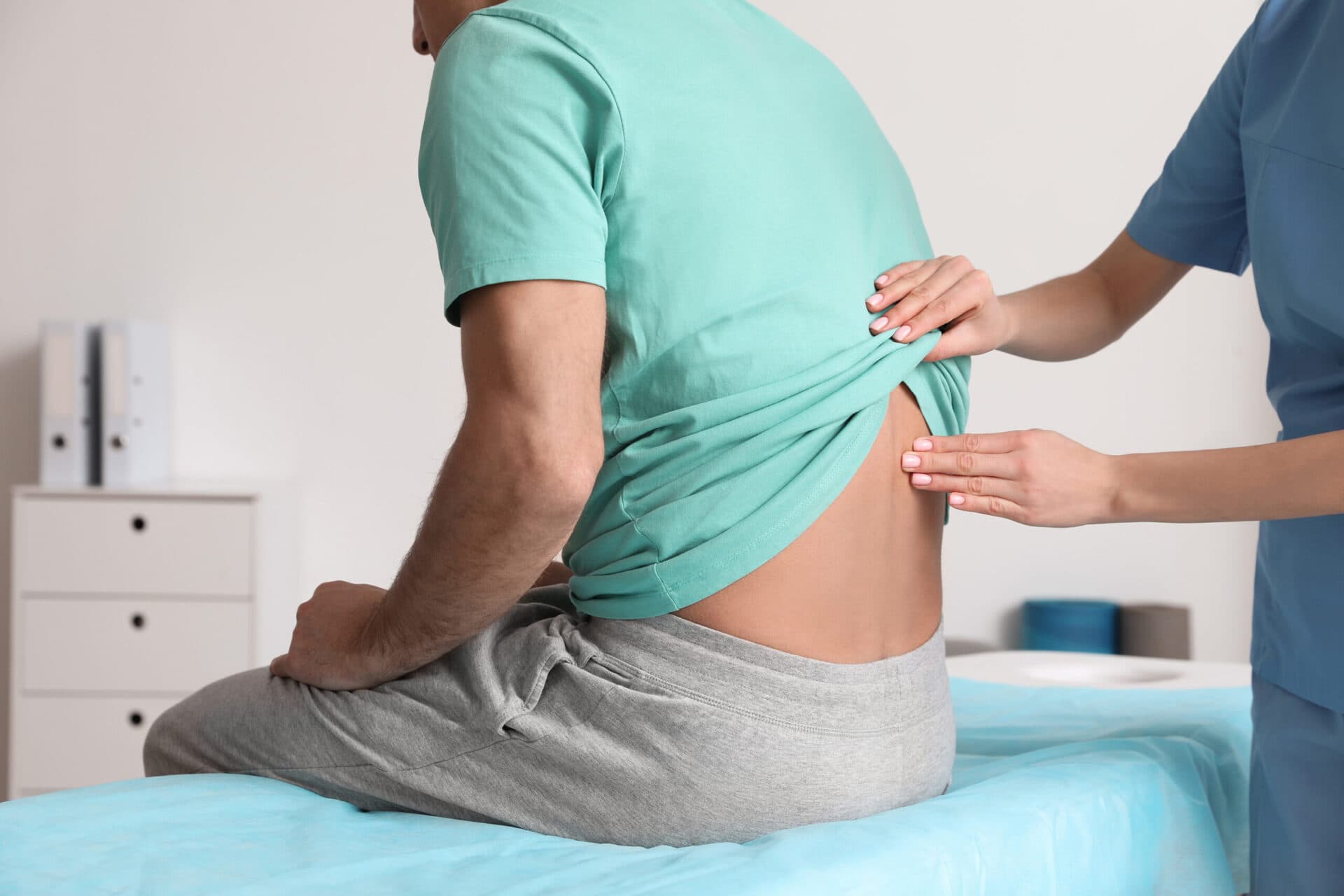
Address Back Pain Without Surgery: Book Your Decompression Assessment in Dubai
There's a natural, non-surgical path worth exploring for ongoing back pain. Book an assessment to find out if spinal decompression is right for you. If you're searching for non-surgical spinal decompression near me in Dubai, our team on Al Wasl Road, in Al Manara, is easy to reach from across the city.
Physiowell, Al Manara, Al Wasl Road, Villa 947, Makani 19841 82767, Dubai, UAE. Phone: +971 4 269 2121 | WhatsApp: +971 4 269 2121 | info@physiowell.ae. Open Monday to Saturday 9am to 7pm