Physiotherapy Basics: What It Is, How It Works & Why It Matters
Let us cover the physiotherapy basics in plain language. The physiotherapy meaning is simpler than most people think: it is a healthcare profession that helps you move, heal and feel better. Whether you are curious about what exactly physiotherapy is and how it could help you, or just want the essentials, this guide explains what it means, how it works, and why it matters, without the jargon.
What Is Physiotherapy?
Physiotherapy is a healthcare profession that helps restore movement, function and strength, and manage pain, through hands-on treatment, exercise and education. That is the physiotherapy meaning in one line. Put even more simply, if pain, injury or stiffness is stopping your body from moving the way it should, physiotherapy aims at restoring that movement back. It treats people of all ages, from many walks of life.
What Does a Physiotherapist Do?
A physiotherapist does more than hand you a few exercises. They assess how you move, find the root cause of your pain or restriction, and treat it with a tailored plan. In practice, that means they:
- assess your movement, posture and strength
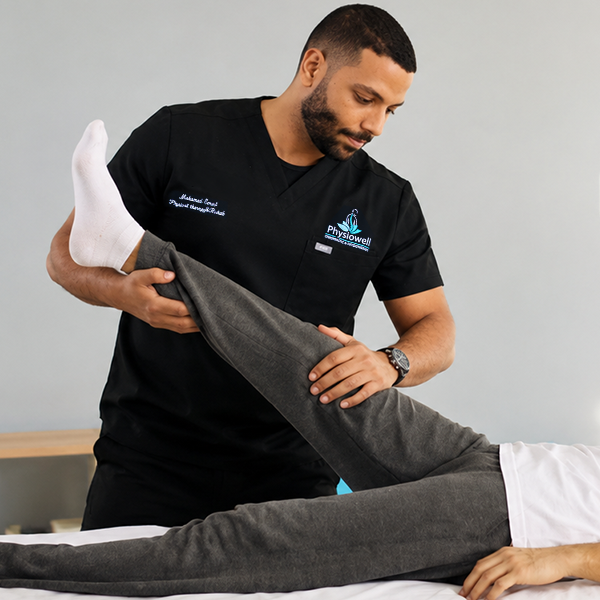
- treat pain and restriction with hands-on therapy
- rebuild strength and mobility through targeted exercise
- educate you on managing and preventing the problem
How Does Physiotherapy Work?
Physiotherapy works by treating the cause of a problem, not just masking the symptom. Instead of only easing pain in the moment, a physiotherapist restores the movement behind it, rebuilds the strength that supports it, and retrains your body so the problem is less likely to return. That is why the results tend to last: you are fixing the root, not just quietening the alarm.
Why Is Physiotherapy Important?
The importance of physiotherapy shows up in everyday life. It relieves pain, restores your independence, and helps you get back to the things you enjoy. Just as importantly, it prevents small problems from becoming chronic ones, and in many cases it reduces the need for medication or surgery. In short, physiotherapy helps you stay active, mobile and comfortable, which affects almost everything else.
What Are the Types of Physiotherapy?
Physiotherapy is a broad field, and matching the right type to your need is part of what makes it effective. Here are the main ones.
Musculoskeletal (Orthopedic) Physiotherapy
The most common type, covering muscles, joints and bones. It treats problems like back pain, sprains and posture issues.
Sports Physiotherapy
Focused on injury recovery and performance improvement for active people. Our physiotherapy team supports athletes back to their sport safely and enhance their performance in the same respect.
Neurological Physiotherapy
Helps restore movement and coordination after a stroke or a neurological condition, through structured, progressive treatment.
Post-Surgical Rehabilitation
Guided recovery after an operation, restoring movement and strength step by step, and a key part of rehabilitation after surgery.
What Conditions Does Physiotherapy Treat?
Physiotherapy treats a wide range of conditions, including:
- back pain and neck pain
- sports injuries and joint problems
- posture problems, including neck and shoulder strain
- recovery after surgery or injury
- arthritis and chronic pain
Is Physiotherapy the Same as Physical Therapy?
Yes. Physiotherapy and physical therapy are the same thing, just different terms used in different parts of the world. Physiotherapy is more common in the UK, the UAE and much of the world, while physical therapy is the usual term in the US. The profession, the training and the goal are the same, so there is no need to be confused by the two names.
Is Physiotherapy Painful?
Physiotherapy should not be painful. Some hands-on techniques or exercises can feel challenging, and you might feel mild soreness afterwards, much like after a workout, but treatment is always tailored to your comfort. A good physiotherapist works within your limits and adjusts as you go. If something hurts, you say so, and the plan adapts. Recovery should feel supportive, not like an ordeal.
What Happens in Your First Physiotherapy Session?
Wondering what happens in a first physiotherapy session? It is more of a conversation than a test. Your physiotherapist begins with an assessment of how you move and your history, explains the diagnosis in plain terms, and builds a personalized treatment plan with you. You will usually start treatment or a few exercises the same day. You leave understanding what is going on and what happens next.
Do I Need a Referral to See a Physiotherapist?
In most cases, no. You can book an assessment with a physiotherapist directly, without a referral. That said, if you plan to claim through insurance, some policies require a doctor's referral for direct billing, so it is worth checking your plan. Either way, getting started is usually straightforward.
When Should You See a Physiotherapist?
See a physiotherapist if you have pain, stiffness or reduced movement that is not improving on its own, after an injury or surgery, or when a problem keeps coming back. Wondering when to go to a physio instead of a doctor? For most everyday aches, strains and movement problems, a physiotherapist is a great first stop. But for red-flag symptoms, severe pain, numbness or weakness, or pain after a serious injury, see a doctor first.
Where Can I Get Physiotherapy in Dubai?
If you are looking for physiotherapy in Dubai, choose a clinic that is assessment-led, licensed and multidisciplinary, so your care fits your specific need. At Physiowell on Al Wasl Road, our physiotherapy clinic in Dubai, in Al Manara, starts every plan by understanding you, then matches the right approach to your condition.
Physiotherapy at Physiowell Dubai
At Physiowell, we make physiotherapy a clear, welcoming starting point for anyone. Every plan begins with a proper assessment, then care is matched to your condition across physiotherapy, chiropractic and osteopathy. Whether it is your first time or you have tried treatment before, our team meets you where you are, explains everything simply, and builds a plan around your goals.
Start With a Physiotherapy Assessment in Dubai
The simplest first step is an assessment. Book one with our team and get a clear picture of how physiotherapy can help you. You can also explore our back pain and physiotherapy pages for more.
Physiowell, Al Manara, Al Wasl Road, Villa 947, Makani 19841 82767, Dubai, UAE. Call +971 4 269 2121 or WhatsApp +971 4 269 2121. Open Sunday 9am to 6pm, Monday to Friday 9am to 7pm.