Posture Correction: Simple Exercises and Daily Habits
Good posture is the foundation of a comfortable, energised body, and the encouraging part is that it can be improved. Posture correction isn't about standing rigidly straight; it's about retraining how your body sits, stands and moves. This guide explains why posture matters, the causes of bad posture, and the simple posture correction exercises and daily habits that help improve it.
What Is Good Posture and Why Does It Matter?
Good posture means your spine, shoulders and hips are aligned so your body weight is distributed evenly. When everything sits where it should, your muscles and joints work with less strain. The payoff is real: less pain and tension, better mobility, and even more energy through the day.
What Causes Bad Posture?
The main causes of bad posture are the everyday habits most of us share:
- a sedentary lifestyle with too little movement
- poor workstation ergonomics
- prolonged sitting
- long hours of screen time
- muscle imbalance and weakness, which shows up as forward head posture and rounded shoulders
Over time, bad posture shows up as back pain, headaches and reduced mobility. For how posture links to the neck, see our cervical pain and posture guide.
How Does Physiotherapy Help Correct Posture?
Physiotherapy for posture starts with a proper assessment. A physiotherapist examines how you sit, stand and move, identifies the root cause, and builds a personalized correction plan. This posture correction physiotherapy offers:
- personalized, professional guidance
- work on the muscle imbalance behind your posture
- improved mobility and flexibility
- long-term change, rather than a temporary result
Which Exercises Help With Posture Correction?
These posture correction exercises and simple posture exercises are home-friendly and practical. Many people search for how to fix posture, how to improve posture, and effective exercises to fix posture, and consistency matters more than intensity, so start gently and stop if anything hurts.
Shoulder Blade Squeezes
Sit or stand tall and gently squeeze your shoulder blades together. Hold for 5 seconds, then release. Repeat around 10 times.
Chin Tucks
The chin tucks exercise: gently draw your chin back, making a double chin, to reset your head position. Hold for 5 seconds and repeat 10 times.
Wall Angels
The wall angels exercise: stand with your back against a wall and slowly slide your arms up and down, keeping contact. Repeat 10 times.
These exercises to fix posture at home work well when done daily, and they also help with how to fix bad posture over time. For a plan suited to your body, professional guidance helps.
What Is the Correct Sitting Posture?
If you work at a desk, correct sitting posture supports your spine all day. Here's how to sit with good posture, with ergonomic sitting posture in mind:
- set your chair height so your feet rest flat on the floor
- use lumbar support for your lower back
- keep your knees at about a 90 degree angle
- position your screen at eye level
- avoid slouching or leaning forward
Just as importantly, take a break every 30 minutes or so to stand and stretch.
How Can I Maintain Good Posture in Daily Life?
Daily posture habits are what make the change stick:
- stay mindful of how you sit, especially when tired
- take regular movement breaks through the day
- sleep with a contoured pillow and a neutral spine
- choose the right pillow for posture and your sleeping position
Good sleep supports it too; see our sleep quality guide. Consistency is what turns good posture from an effort into a habit.
How Do I Fix Posture From Sitting at a Desk All Day?
Posture correction for office workers combines three things: an ergonomic setup, the exercises above, and regular movement breaks. Address the desk-related cause rather than just the symptoms, and the problem is far less likely to return. Small adjustments to your chair, screen and routine make a bigger difference than most people expect.
How Long Does It Take to Correct Posture?
It varies from person to person. Some people notice results within a few weeks, while deeper-set posture patterns take months of consistent practice. How long it takes to fix posture depends on how long the habit has been there and how consistently you work at it. Commitment to your exercises, alongside guidance from a physiotherapist, gives you a strong chance of long-term change.
Where Can I Get Posture Correction in Dubai?
If you're looking for posture correction Dubai residents trust, choose a physiotherapy clinic specializing in posture assessment and correction. At Physiowell on Al Wasl Road, our posture correction physiotherapy Dubai starts with a full posture assessment Dubai of how you move, so your plan targets your actual posture pattern. Our posture physiotherapy Al Wasl Road location is easy to reach.
How Physiowell Helps Correct Your Posture in Dubai
At Physiowell, we use detailed posture-assessment technology that captures the fine detail of your posture and movement, catching the imbalances a visual check would miss. As a posture specialist Dubai team, we build personalized correction plans for both office workers and athletes, matched to the demands of your day. We focus on real, steady progress, not overnight promises.
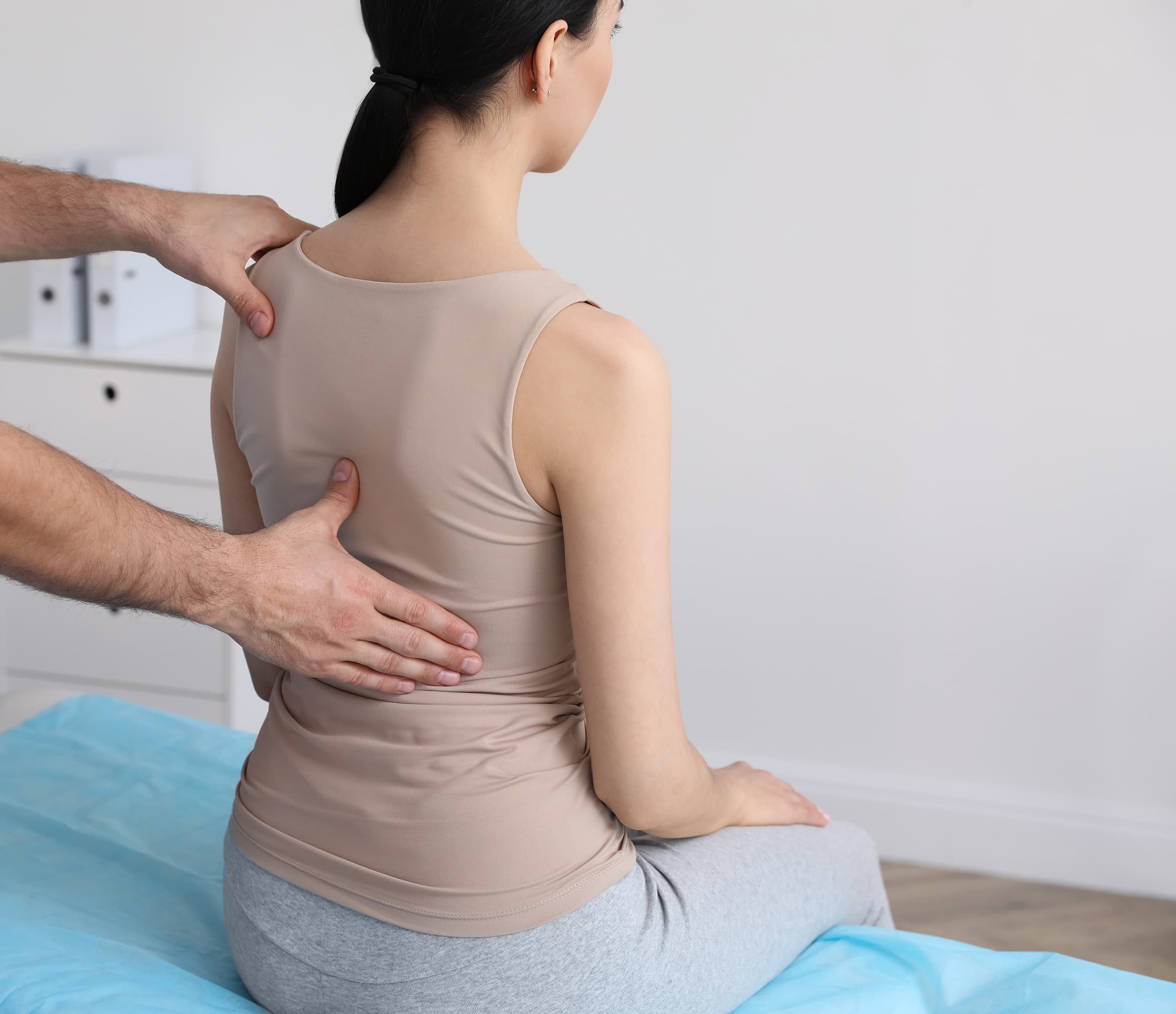
Stand Taller, Feel Better: Book a Posture Assessment in Dubai
Start your journey to better alignment today. Book a posture assessment and take the first step. Our team in Al Manara, on Al Wasl Road, is easy to reach from across the city.
Physiowell, Al Manara, Al Wasl Road, Villa 947, Makani 19841 82767, Dubai, UAE. Call +971 4 269 2121 or WhatsApp +971 4 269 2121. Open Sunday 9am to 6pm, Monday to Saturday 9am to 7pm.