Rheumatoid Arthritis and Pregnancy: A Motherhood Guide for Women with Rheumatic Disease
For many women, rheumatoid arthritis and pregnancy can go together well. With proper planning and the right medical support, most women can look forward to a healthy pregnancy, and rheumatic disease and motherhood can sit comfortably side by side. This guide offers gentle, practical information on planning, symptoms, safety and the joint pain support that can help along the way, always alongside your medical team.
Can Women With Rheumatoid Arthritis Have a Healthy Pregnancy?
Yes, in most cases. Pregnancy is very possible for women with rheumatoid arthritis, and many go on to have healthy babies. What makes the difference is planning and specialist care: working closely with your rheumatologist and obstetrician to prepare and monitor your health. Every pregnancy is individual, so while there are no guarantees, the outlook for well-supported mothers is genuinely reassuring.
How Should You Plan a Pregnancy With Rheumatoid Arthritis?
Planning pregnancy with rheumatoid arthritis gives you a strong start. Practical steps for prenatal care with rheumatoid arthritis usually include:
- speaking with your rheumatologist before you conceive
- reviewing your current medication with your doctors
- choosing a stable, well-controlled phase of your disease
- discussing prenatal care early
- starting folic acid before pregnancy if your doctor advises it
This preparation, guided by your medical team, helps set up a smoother pregnancy.
Does Rheumatoid Arthritis Improve or Worsen During Pregnancy?
It varies from woman to woman. Many women ask does rheumatoid arthritis improve during pregnancy, and for many, rheumatoid arthritis during pregnancy actually improves, with symptoms easing, especially in the later months. For others, symptoms continue or may worsen. Because every case is different, there's no single pattern for rheumatoid arthritis pregnancy symptoms, which is why regular monitoring with your specialist matters so much. The same is true for related conditions such as lupus and pregnancy, or ankylosing spondylitis and pregnancy.
What Symptoms Are Common During Pregnancy With Rheumatic Disease?
Some symptoms overlap between normal pregnancy and rheumatic disease. Common experiences include:
- fatigue during pregnancy with rheumatoid disease
- back pain
- joint pain and swollen joints
- numbness or tingling
- pelvic or ligament discomfort
Pregnancy back and joint pain with rheumatoid disease is common, but if anything feels severe or new, check in with your care team rather than trying to self-assess.
Is Rheumatoid Arthritis Medication Safe During Pregnancy?
Important: this is one of the most important questions, and it has to be answered individually.
Decisions about rheumatoid arthritis medication during pregnancy must be made with your rheumatologist and obstetrician, never on your own. Some medications are considered compatible with pregnancy, while others may need to be reviewed, changed or stopped before conception or breastfeeding. Safe pain relief for pregnancy joints is also decided with your doctor. Please treat this section as general information only, and rely on your doctors for any decision about your treatment.
What Are the Risks of Pregnancy With Rheumatic Disease?
It helps to know the facts calmly. When managing arthritis during pregnancy, risks tend to be higher when the disease is active, which is exactly why good control and monitoring matter. Points your medical team will watch for include:
- a somewhat higher preeclampsia risk with rheumatoid arthritis
- a possible risk of low birth weight
- extra monitoring if lupus is also present
- screening for antiphospholipid antibodies in pregnancy where relevant
With proper care, these risks are monitored, so they're reasons for good support, not for alarm.
Can Women With Rheumatic Disease Give Birth Naturally?
Often, yes. Many women with rheumatic disease have a vaginal birth. The right delivery method depends on your mobility, disease activity, obstetric factors and your medical team's advice. The choice of vaginal birth vs cesarean with rheumatoid disease is made individually, considering things like hip and joint mobility, so it's a conversation to have with your obstetrician as your due date approaches.
Can I Breastfeed if I Have Rheumatoid Arthritis?
Often, yes, but it depends on your medication. Many women ask can you breastfeed with rheumatoid arthritis, and the answer comes down to which treatments you're on, so it's a decision to make with your rheumatologist. Some medications are compatible with breastfeeding and others are not, so plan this with your doctors ahead of time.
Does Rheumatoid Arthritis Flare Up After Giving Birth?
For some women, yes. A postpartum rheumatoid flare can happen in the weeks and months after birth, and postpartum joint pain is common as your body recovers and medication is reviewed. Planning postpartum care with your medical team ahead of time, including gentle rehabilitation, helps you manage this stage more comfortably.
Can Physiotherapy Help During Pregnancy With Rheumatic Disease?
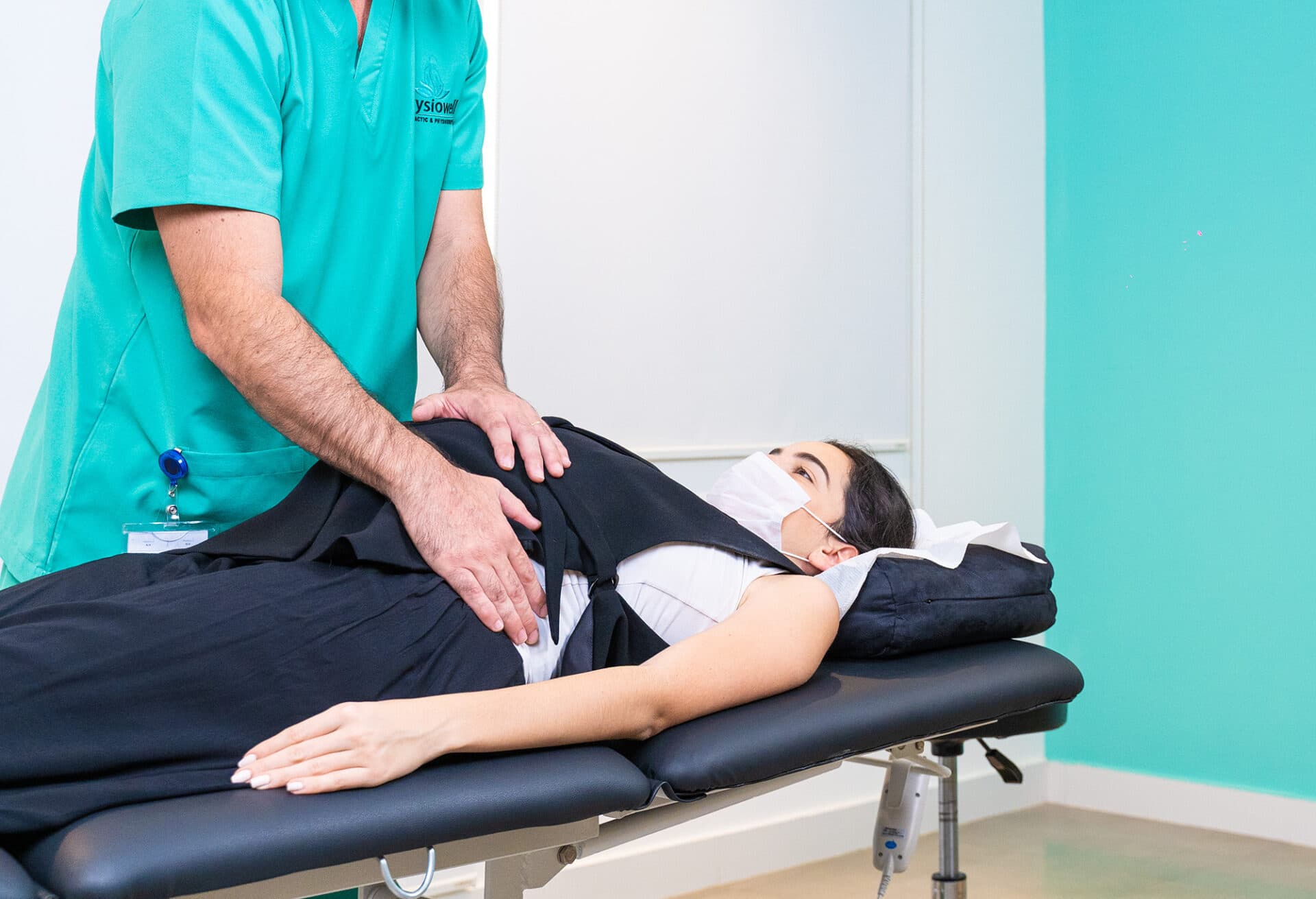
Yes, physiotherapy can be a gentle, supportive part of your care. Working alongside your medical team, prenatal physiotherapy may help with joint pain, back pain, posture, mobility, gentle strengthening and general pregnancy discomfort. As a form of physiotherapy for arthritis, it focuses on keeping you moving comfortably and safely, adapted to your stage of pregnancy and how you feel. Our guide on exercises for rheumatoid arthritis covers gentle movement in more detail.
How Do I Cope With Motherhood and a Rheumatic Disease?
Alongside the physical side, emotional support for chronic illness and motherhood matters just as much. Many mothers find that leaning on family, connecting with others in the same situation, and talking to a counsellor helps with the demands of rheumatic disease and motherhood. You don't have to carry it all on your own.
What Support Is Available for Mothers With Rheumatic Disease in Dubai?
You don't have to navigate this alone. Rheumatoid arthritis pregnancy support Dubai mothers rely on usually involves a team working together:
- a rheumatologist to manage your disease
- an obstetrician for your pregnancy care
- a physiotherapist for comfort, mobility and gentle strengthening, often prenatal physiotherapy Dubai based
- postpartum rehabilitation to recover after birth
- emotional support through what can be a demanding time
At Physiowell on Al Wasl Road, our team offers pregnancy and postpartum rehabilitation Dubai families trust, along with physiotherapy for arthritis Dubai, as part of this wider circle of care. Our prenatal care clinic Al Wasl Road welcomes you, so contact us to see how we can support you, together with your medical team. You may also find our safe exercises during pregnancy guide helpful.
Physiowell, Al Manara, Al Wasl Road, Villa 947, Makani 19841 82767, Dubai, UAE. Call +971 4 269 2121 or WhatsApp +971 4 269 2121. Open Sunday 9am to 6pm, Monday to Saturday 9am to 7pm.