Sciatica Causes: Why It Happens and What's Triggering It
Sciatica is a symptom, not a diagnosis, and finding the real sciatica causes is the key to the right treatment. The tricky part is that sciatica can come from two very different sources: your spine, or the muscles around it. This guide takes a focused look at both, with special attention to the muscle causes of sciatica that are often missed. For the full overview, see our what is sciatica pillar guide.
What Causes Sciatica?
So what causes sciatica? It happens when the sciatic nerve is compressed or irritated somewhere along its path, and pinched sciatic nerve causes fall into two families: structural causes, coming from the spine (such as a disc problem), and muscular causes, coming from the soft tissue around the nerve (such as tight glutes). Knowing which family your sciatica belongs to shapes the whole treatment.
Can Tight Glutes and Muscles Cause Sciatica?
Yes. If you are asking can tight muscles cause sciatica, tight glutes sciatica is real: tight glutes and the surrounding hip muscles can compress or irritate the sciatic nerve, causing true sciatica symptoms without any disc involvement. When these muscles are tight or imbalanced, they pull on the pelvis and can pinch the nerve that runs beneath them. These muscle causes of sciatica are often missed, because many people assume sciatica always means a disc problem, when in fact soft tissue is frequently the trigger.
What Is Piriformis Syndrome and How Does It Cause Sciatica?
Piriformis syndrome sciatica is a common muscular cause. The piriformis is a small muscle deep in the buttock that sits right over the sciatic nerve. When it spasms or tightens, it presses on the nerve and produces sciatica-like pain. Typical signs include:
- deep pain in the buttock rather than the lower back
- pain that worsens with prolonged sitting
- discomfort that eases with movement and stretching
Unlike disc-related sciatica, piriformis pain usually starts in the buttock rather than radiating from the spine, and glute stretches for sciatica often help ease it.
What Structural Problems Cause Sciatica?
Structural causes come from the spine itself. These are covered in depth in our what is sciatica pillar, but here is a quick overview.
Herniated or Bulging Disc
The most common structural cause. A herniated disc sciatica presses directly on the sciatic nerve root; learn more about disc injuries.
Degenerative Disc Disease
Degenerative disc disease sciatica comes from age-related wear of the discs, which can narrow the space around the nerve and trigger sciatica.
Lumbar Spinal Stenosis
Lumbar spinal stenosis sciatica is caused by a narrowing of the spinal canal in the lower back, which compresses the nerves.
Spondylolisthesis
Spondylolisthesis sciatica happens when one vertebra slips forward over another and pinches the sciatic nerve.
Is My Sciatica Caused by a Muscle or a Disc?
This is the key question, and if you are wondering is sciatica from a disc or muscle, there are some practical clues. Muscular sciatica (such as piriformis syndrome) tends to cause deep buttock pain that eases with stretching and movement. Disc-related sciatica often radiates below the knee and gets worse with bending, coughing or sneezing. These are only clues, though; only a professional assessment can confirm the cause, and getting it right is what leads to the correct treatment.
Can Sitting Too Long or Poor Posture Trigger Sciatica?
Yes. Sciatica from sitting too long tightens the hip and glute muscles and loads the lumbar spine, which can trigger or worsen sciatica from either cause, and pelvic misalignment sciatica can play a part too. Simple habits reduce the risk:
- take regular breaks to stand and move
- keep good posture with your lower back supported
- stretch your hips and glutes during the day
For more practical tips, see our guide on the activities that cause back pain.
What Are the Risk Factors for Sciatica?
Some things make sciatica more likely. The main sciatica risk factors, and what triggers sciatica for many people, include:
- a sedentary lifestyle
- heavy lifting
- being overweight
- age-related changes
- a previous back or hip injury
Pregnancy is also a common trigger, and sciatica causes in females can include pregnancy-related strain; see our dedicated sciatica during pregnancy guide for the specific sciatica during pregnancy causes and safe advice.
How Do I Find Out What's Causing My Sciatica?
If you are not sure how to tell what is causing my sciatica, a proper assessment pinpoints the cause. It usually includes:
- a review of your history and symptoms
- movement and nerve-stretch tests
- imaging such as an MRI, if needed
Working out whether the cause is muscular or structural is what shapes the right treatment, so an accurate diagnosis saves time and supports recovery.
When Should I See a Specialist About My Sciatica?
It helps to know when to see a doctor for sciatica. See a specialist if you have:
- pain that will not ease with rest or home care
- worsening weakness or numbness in the leg
- any loss of bladder or bowel control (seek urgent care)
The sooner the cause is found, the sooner you can start the right treatment.
Where Can I Get My Sciatica Cause Diagnosed in Dubai?
You can get help with sciatica causes Dubai patients search for at Physiowell, a clinic that assesses both muscular and structural causes through physiotherapy and chiropractic care. As a provider of sciatica treatment Dubai and a sciatica chiropractor Dubai option, we find the true trigger before starting treatment, and our sciatica clinic Al Wasl Road is easy to reach from across the city.
How Physiowell Finds the Real Cause of Your Sciatica
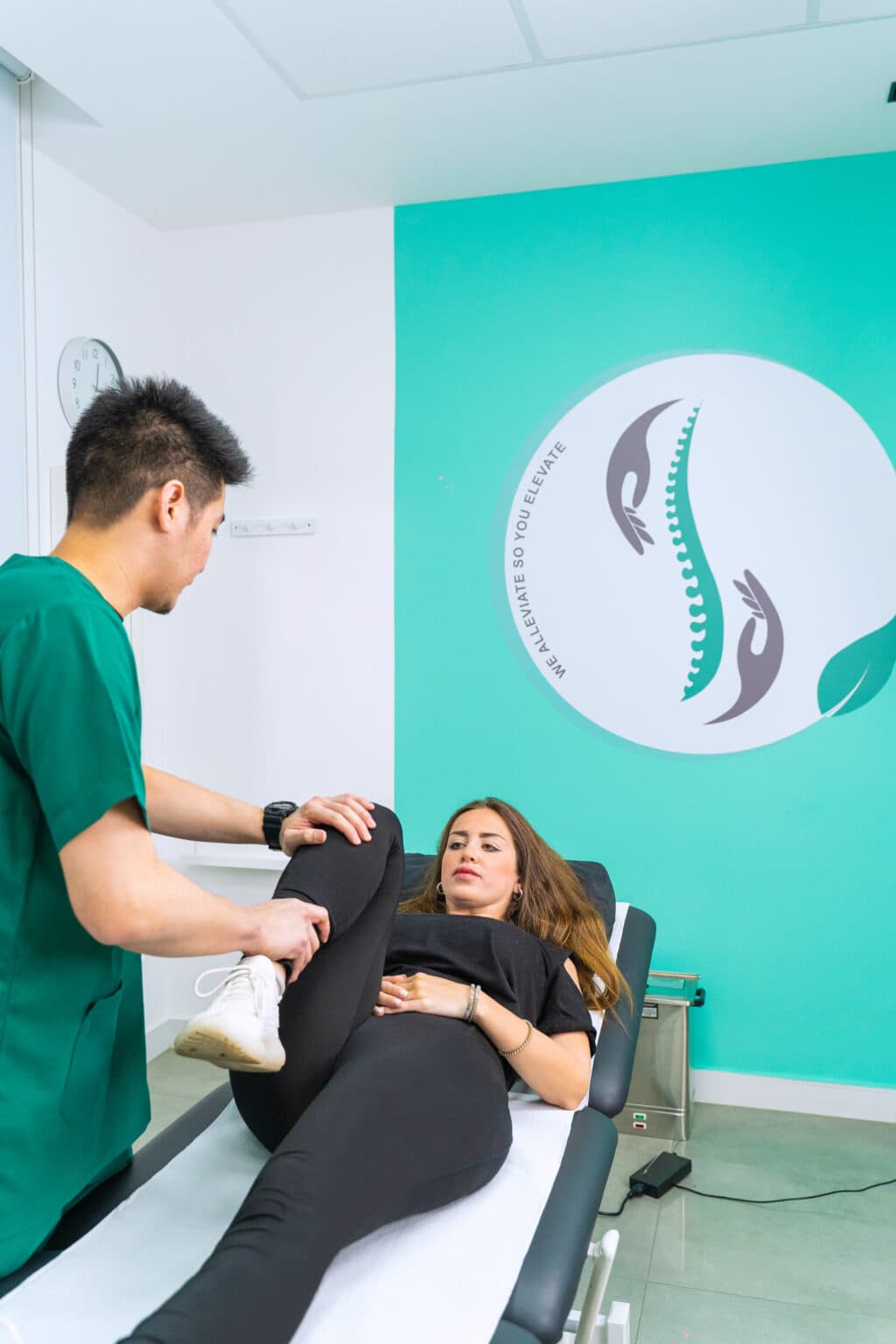
At Physiowell, our sciatica specialist Dubai team starts with root-cause diagnosis, distinguishing muscular causes (such as tight glutes or piriformis syndrome) from structural causes (such as a disc or spine problem). For muscular causes, we use targeted manual therapy, deep tissue massage for sciatica and tailored stretching. Our combined physiotherapy and chiropractic assessment pinpoints the true trigger, supported where needed by spinal decompression for disc-related cases.
Stop Guessing, Find the Cause: Book a Sciatica Assessment in Dubai
Knowing the real cause is the first step to relief. Book a sciatica assessment at Physiowell and stop guessing about your pain. Our team in Al Manara, on Al Wasl Road, is easy to reach from across the city.
Physiowell, Al Manara, Al Wasl Road, Villa 947, Makani 19841 82767, Dubai, UAE. Phone: +971 4 269 2121 | WhatsApp: +971 4 269 2121 | info@physiowell.ae. Open Sunday 9am to 6pm, Monday to Saturday 9am to 7pm.