Slip and Fall Injuries Treatment in Dubai
Slip and fall injuries are easy to underestimate. In the moment, you might feel fine and brush it off, but many fall injuries stay hidden at first and only show up days or weeks later. Anyone can be affected, from active adults to older people, which is why early assessment matters. Catching a problem early often means a simpler, non-invasive recovery.
This guide walks through the most common slip and fall accident injuries, when to worry, when to see a doctor after a fall, how long recovery takes, and how physiotherapy after a fall Dubai care supports rehabilitation after slip and fall incidents. Slip and fall treatment matters at every age, whether you're dealing with a slip and fall back injury, a slip and fall knee injury, a slip and fall shoulder injury or a slip and fall head injury.
What Are the Most Common Injuries from Slip and Fall Accidents?
The most common slip and fall injuries include shoulder dislocations, spinal and nerve damage, head injuries, fractures and knee injuries. Each affects the body differently and needs proper assessment.
Shoulder Dislocation
Reaching out to break a fall can force the shoulder out of its joint, causing pain and limited movement. Shoulder dislocation recovery usually involves relocation by a clinician, followed by a staged rehabilitation plan to support the surrounding muscles.
Spinal and Nerve Damage
A hard landing can strain the spine or irritate nerves, sometimes leading to back pain, tingling or numbness. In severe falls, spinal cord injury from fall needs urgent medical review. Milder cases often respond well to physiotherapy and manual therapy, and nerve damage after a fall should always be assessed, not ignored.
Head Injuries
Any knock to the head deserves attention, even if it seems minor, as symptoms can be delayed. Watch for internal head injury symptoms such as persistent headache, nausea, confusion, memory issues or changes in vision.
Broken Bones and Fractures
Wrists, hips and ankles are common fracture sites, especially when landing awkwardly. Broken bones from a fall need urgent imaging. A CT scan after a fall may be recommended if a fracture is suspected but not obvious on X-ray.
Knee Injuries
Twisting or direct impact can damage the ligaments or cartilage in the knee. A torn knee ligament from fall or a dislocated kneecap are common patterns we see, and knee injury healing time varies significantly with the severity.
Why Shouldn't Slip and Fall Injuries Be Ignored?
The biggest risk with fall injuries is that symptoms are often delayed. Pain, stiffness or numbness can appear days or even weeks after the accident, once the initial adrenaline fades. What feels like a minor bump can sometimes involve a deeper injury to a joint, nerve or the spine. A full checkup, and a scan if advised, helps catch these early. The sooner an injury is assessed, the more likely it is to respond to a simple, non-invasive treatment plan.
Why Do Some Fall Injuries Not Show Symptoms Right Away?
Delayed pain after a fall is more common than most people realise, for a few reasons:
- Adrenaline and stress hormones mask pain in the first few hours
- Soft-tissue injuries build inflammation gradually, with symptoms peaking 24 to 72 hours after the incident
- Nerve injuries can take days or weeks to produce tingling, numbness or weakness
- Microfractures and hairline cracks may only hurt once swelling settles and the bone is loaded again
Monitor how you feel for at least a week after any significant fall, even if you felt fine on the day.
What Are the Symptoms After a Slip and Fall?
Watch for these signs in the hours and days after a fall:
- pain or tenderness that persists or worsens
- swelling or bruising around a joint
- numbness, tingling or weakness
- dizziness, headache or confusion
- stiffness or reduced movement
Some symptoms are delayed, so keep monitoring how you feel even if you seemed fine at first.
When Should I See a Doctor After a Fall?
Seek professional assessment promptly if you notice:
- any head injury, dizziness or confusion
- severe or worsening pain
- numbness, tingling or weakness in the limbs
- pain that lasts more than a couple of days
- difficulty moving a joint or bearing weight
- any loss of bladder or bowel control, which is an emergency and needs immediate medical care
What Are the Signs of an Internal Head Injury After a Fall?
Head injuries can be serious even without a visible wound. Watch closely for internal head injury symptoms in the first 24 to 48 hours after any head impact:
Immediate warning signs
- loss of consciousness, even briefly
- confusion, slurred speech or disorientation
- unequal pupil size or changes in vision
- severe or worsening headache
- repeated vomiting
- clear fluid or blood from the nose or ears
Delayed warning signs (hours to days later)
- persistent headache that isn't easing
- memory issues or difficulty concentrating
- mood changes, irritability or unusual drowsiness
- sensitivity to light or noise
- balance problems or coordination difficulties
If any of these appear, seek medical care right away. For a fall with a head impact, a clinician will decide whether a scan is needed after assessing the injury and symptoms.
Do I Need an X-ray or MRI After a Fall?
Not every fall needs imaging, but some do. A scan after a slip and fall is usually recommended if:
- there's suspected fracture (severe pain, deformity, inability to bear weight)
- the fall involved a head impact with any neurological signs
- pain is persisting or worsening after a few days
- there are nerve symptoms such as numbness, tingling or weakness
- you're over 65, or have osteoporosis, where fractures are more common
Which type of scan?
X-rays catch most fractures. A CT scan after a fall is useful for head injuries, complex fractures or when soft-tissue detail isn't needed. An MRI is better for ligament, cartilage and nerve injuries where soft tissue matters.
Can a Slip and Fall Cause Long-Term Damage?
It can, though most falls heal well with the right care. Minor slips often cause short-lived bruising or strain. More serious falls, especially those involving the spine, nerves, head or a fracture, carry a higher risk of lasting problems if they're left untreated. This is exactly why early assessment matters: it helps separate the minor from the serious and keeps small injuries from becoming long-term ones.
Can a Slip and Fall Cause a Shoulder Dislocation?
Yes. Shoulder dislocation is one of the most common slip and fall shoulder injuries, especially when someone reaches out to break their fall. The force of the fall pushes the ball of the shoulder joint out of its socket, causing immediate pain, visible deformity and limited movement.
First-time dislocations need urgent medical review for relocation, followed by a staged rehabilitation plan to support the shoulder and reduce the risk of it happening again. Recurrent dislocations are more likely without proper rehabilitation.
Why Does Knee Pain After a Fall Take So Long to Heal?
Knee injuries from falls often involve more than one structure, which is why they can take weeks or months to settle. The knee combines bone, cartilage, ligaments, tendons and the meniscus in one joint. Any of these can be injured when the knee twists or absorbs a hard impact.
Common contributors to a slow-healing knee:
- a torn knee ligament from fall (ACL, MCL, PCL or LCL injuries)
- meniscus damage, which often needs targeted rehab or imaging
- a dislocated kneecap that returned to position but left the surrounding tissue strained
- ongoing swelling that limits movement and strength work
- compensation patterns that develop as you avoid full weight on the injured leg
Early assessment helps identify which structures are involved, so the treatment matches the actual problem rather than just the symptom.
Can a Fall Cause a Spinal or Nerve Injury?
Yes. Falls are one of the most common causes of spinal and nerve injuries, especially when the landing involves the back, neck or tailbone. Possible outcomes range from minor strain to serious damage:
- mild to moderate back pain from muscle or joint strain
- disc injuries including bulges and herniations
- nerve damage after a fall, often felt as tingling, numbness or weakness in an arm or leg
- spinal cord injury from fall in severe cases, which needs urgent medical care
If a fall is followed by any neurological symptoms, don't wait it out. Early assessment is critical.
How Long Does It Take to Recover from a Slip and Fall Injury?
Slip and fall recovery time varies widely with the injury. Here's a realistic guide:
Minor strains and bruising
A few days to 2 weeks with rest, movement and self-care.
Moderate soft-tissue injuries
2 to 6 weeks with structured physiotherapy and gradual return to activity.
Ligament tears or fractures
6 weeks to 3 months, sometimes longer, depending on severity and whether surgery was needed.
Head injuries
Highly variable. Mild concussions settle in 1 to 4 weeks; more significant head injuries may need months of structured care.
Spinal and nerve injuries
Weeks to many months, depending on severity. Nerve recovery tends to be slow and gradual.
After your assessment, your clinician will give you a realistic range for your specific case.
What Affects Recovery Time After a Fall?
A few factors shape how quickly you recover:
- the type and severity of the injury
- your age and general health
- how soon treatment begins
- consistency with your rehabilitation plan
- underlying conditions such as osteoporosis or diabetes that can slow healing
How Can I Speed Up Recovery After a Slip and Fall?
There's no shortcut, but a few safe, realistic steps can support steadier recovery:
- get assessed early rather than waiting it out
- follow your treatment and rehabilitation plan consistently
- rest when needed, but keep gentle movement as advised
- avoid rushing back to full activity too soon
- stay well hydrated and eat enough protein to support healing
- get enough sleep: tissue repair happens overnight
How Can Physiotherapy Help After a Slip and Fall?
Physiotherapy after a fall plays a key role in recovery. It helps ease pain, support movement and develop strength in the injured area, while also working on balance and stability to help reduce the risk of future falls. A tailored physiotherapy program helps you return to daily life safely, rather than simply waiting for the injury to settle on its own.
What Should I Do Immediately After a Slip and Fall?
Taking the right steps early gives you the smoothest recovery:
Monitor your symptoms: note any pain, swelling, numbness or dizziness, including signs that appear later.
Seek a professional exam: get assessed even if you feel okay, since some injuries are hidden.
Get imaging if advised: a scan may be recommended to rule out fractures or deeper damage.
Attend follow-ups: stick with your plan and reviews so recovery stays on track.
Are Slip and Fall Injuries More Dangerous for Older Adults?
Yes, falls carry a higher risk for older adults. With age, bones become more fragile, balance can decline and healing tends to take longer. This combination means:
- a greater risk of fractures, especially hip and wrist
- slower recovery and a higher chance of complications
- more value in early assessment and balance-focused rehabilitation
- the risk of a second fall rises after the first, so building balance and strength matters even more
Where Can I Get Slip and Fall Injury Treatment in Dubai?
If you've had a fall, a specialized rehabilitation clinic can assess your injury and guide your recovery. At Physiowell on Al Wasl Road, our team provides slip and fall injury treatment Dubai care built around a full assessment, so you get the right care for your specific injury. As a slip and fall clinic Al Wasl Road residents turn to, we also serve patients across Dubai Marina, Jumeirah and the wider city, with physiotherapy clinic Al Manara convenience for those closer by.
How We Treat Slip and Fall Injuries at Physiowell
Our approach brings together physiotherapy, chiropractic and osteopathy under one roof, so your recovery is supported from every angle. We also coordinate with your treating doctor when imaging or surgical review is needed.
- a personalized assessment to understand your specific injury
- a multidisciplinary plan matched to your needs
- hands-on treatment to help ease pain and support movement
- balance and strength rehabilitation to help reduce the risk of future falls
- ongoing progress tracking as your recovery develops
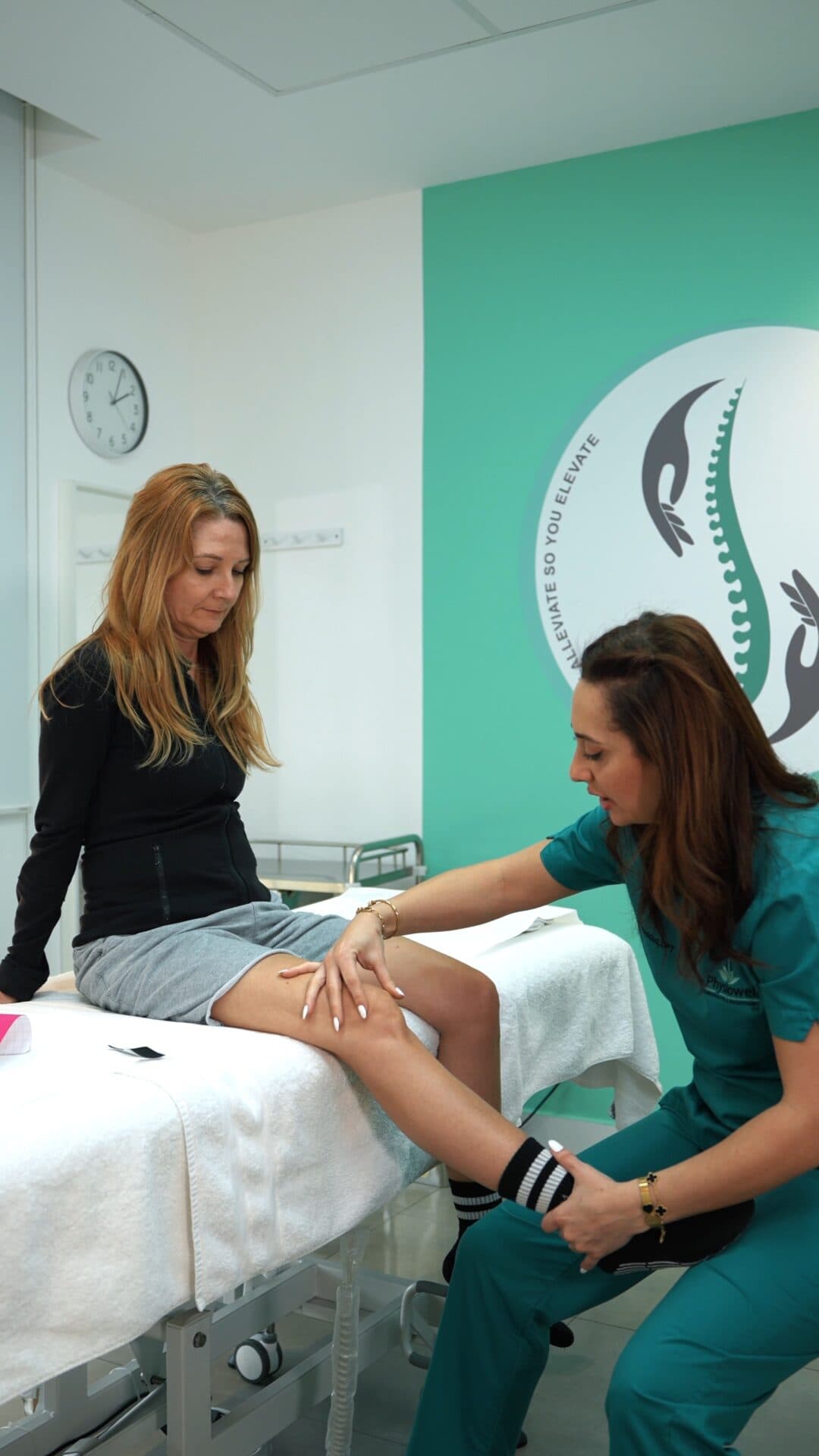
Book Your Slip and Fall Assessment in Dubai
Book an assessment with our team at Physiowell and start a personalized plan built around your recovery. If you're searching for a fall injury clinic near me in Dubai, our team on Al Wasl Road, in Al Manara, is easy to reach from across the city.
Physiowell, Al Manara, Al Wasl Road, Villa 947, Makani 19841 82767, Dubai, UAE. Phone: +971 4 269 2121 | WhatsApp: +971 4 269 2121 | info@physiowell.ae. Open Monday to Saturday 9am to 7pm