Sports Massage: Maximize Gym Performance and Recovery
Serious about the gym? Sports massage can be a valuable part of your routine, supporting recovery, flexibility and performance. It's not just for professional athletes; anyone who trains regularly can benefit from sports massage for gym performance. This guide covers what sports massage does, what the evidence says, the main techniques, and how to use it to get the most from your training.
What Is Sports Massage?
Sports massage is targeted massage designed to support muscle function, recovery and performance for active people. It uses specific techniques to ease tension, support circulation and keep muscles ready to train. Importantly, sports massage for athletes suits regular gym-goers too, not just elite competitors.
What Are the Benefits of Sports Massage?
The sports massage benefits tie directly to your training.
Improved Flexibility
Regular sports massage for flexibility helps ease tight muscles and support better range of motion.
Faster Muscle Recovery
As a muscle recovery massage, it supports the recovery process between sessions, so you feel readier to train, which is why many ask does sports massage help recovery.
Injury Prevention
Relaxed, supple muscles are less prone to strain during hard training.
Better Endurance and Stamina
Feeling looser and more recovered helps you get more from each session.
Does Sports Massage Really Improve Gym Performance?
Here's an honest answer. The evidence for sports massage is strongest for its psychological and recovery-perception benefits: people consistently feel more relaxed, less sore and more ready to train. The direct physiological evidence is more limited, so does sports massage really work is best answered with balance. In practice, professionals consistently see it help, and the plausible mechanisms, parasympathetic activation, relaxation and improved circulation, support that. So while the direct physical effects are modest, the question of whether sports massage helps recovery has a genuinely encouraging answer.
How Does Sports Massage Aid Muscle Recovery?
Sports massage for muscle recovery works largely by stimulating blood flow. Better circulation brings more oxygen and nutrients to the muscles, helps clear waste products, and eases built-up massage for muscle tension. This supports quicker day-to-day recovery between sessions and can help with DOMS muscle soreness relief, the delayed-onset soreness you feel a day or two after a tough workout. A few simple post workout muscle recovery tips, like hydration and light movement, work well alongside it.
Can Sports Massage Prevent Injuries?
It can help. Relaxed, flexible muscles are less prone to contractures and strains than tight, overworked ones. Used as sports massage for injury prevention, regular sessions help keep your muscles loose, balanced and ready for training, which lowers the risk of the small strains that can sideline your progress. This matters just as much for sports massage for runners as for gym-goers.
What Techniques Are Used in Sports Massage?
Sports massage techniques are chosen to suit your muscles and goals.
Rubbing (Effleurage)
Long, gliding strokes that warm the muscle and boost circulation.
Digital Kneading (Petrissage)
Kneading movements that release deeper tension, often used in deep tissue sports massage.
Cryotherapy
Cold application, for example to the quadriceps, so cryotherapy for muscle recovery can calm inflammation.
Vibration
Rapid, gentle shaking that helps relax the muscle.
Should I Get a Sports Massage Before or After a Workout?
Both can help, with different aims. A pre-workout massage focuses on activating and warming the muscles to prepare them for training. A post-workout massage is more relaxing and aids recovery. The therapist adapts the technique to your training stage, so pre and post workout massage serve different but complementary purposes, which also answers when to get a sports massage.
How Often Should I Get a Sports Massage?
It depends on your training load and goals. Heavy trainers and those preparing for events often benefit from regular sessions, while lighter trainers may need them less often. There's no rigid universal schedule, so how often athletes get a sports massage is best decided by making it a consistent part of your routine rather than a one-off treat. Any sports massage side effects are usually mild, like short-lived soreness, much as after exercise.
What's the Difference Between Sports Massage and Deep Tissue Massage?
The sports massage vs deep tissue massage question comes down to focus. Sports massage is performance and recovery-focused, adapted to your training stage. Deep tissue massage targets chronic, deep-seated muscle tension, often unrelated to sport. The two overlap, and a good therapist may blend elements of each depending on what your body needs.
Where Can I Get a Sports Massage in Dubai?
If you're looking for a sports massage Dubai gym-goers trust, choose a sports massage and physiotherapy clinic with trained therapists. At Physiowell on Al Wasl Road, our team offers sports massage therapy Dubai and deep tissue massage Dubai, tailored to your training and delivered by qualified professionals, and our sports massage Al Wasl Road location is easy to reach.
Professional Sports Massage at Physiowell Dubai
At Physiowell, our licensed physiotherapists deliver sports massage tailored to your training stage and goals. We integrate it with sports physiotherapy and rehabilitation for a complete performance plan, with customized treatment for gym-goers and athletes alike. That's what sports massage therapy Dubai looks like when it's built around your training.
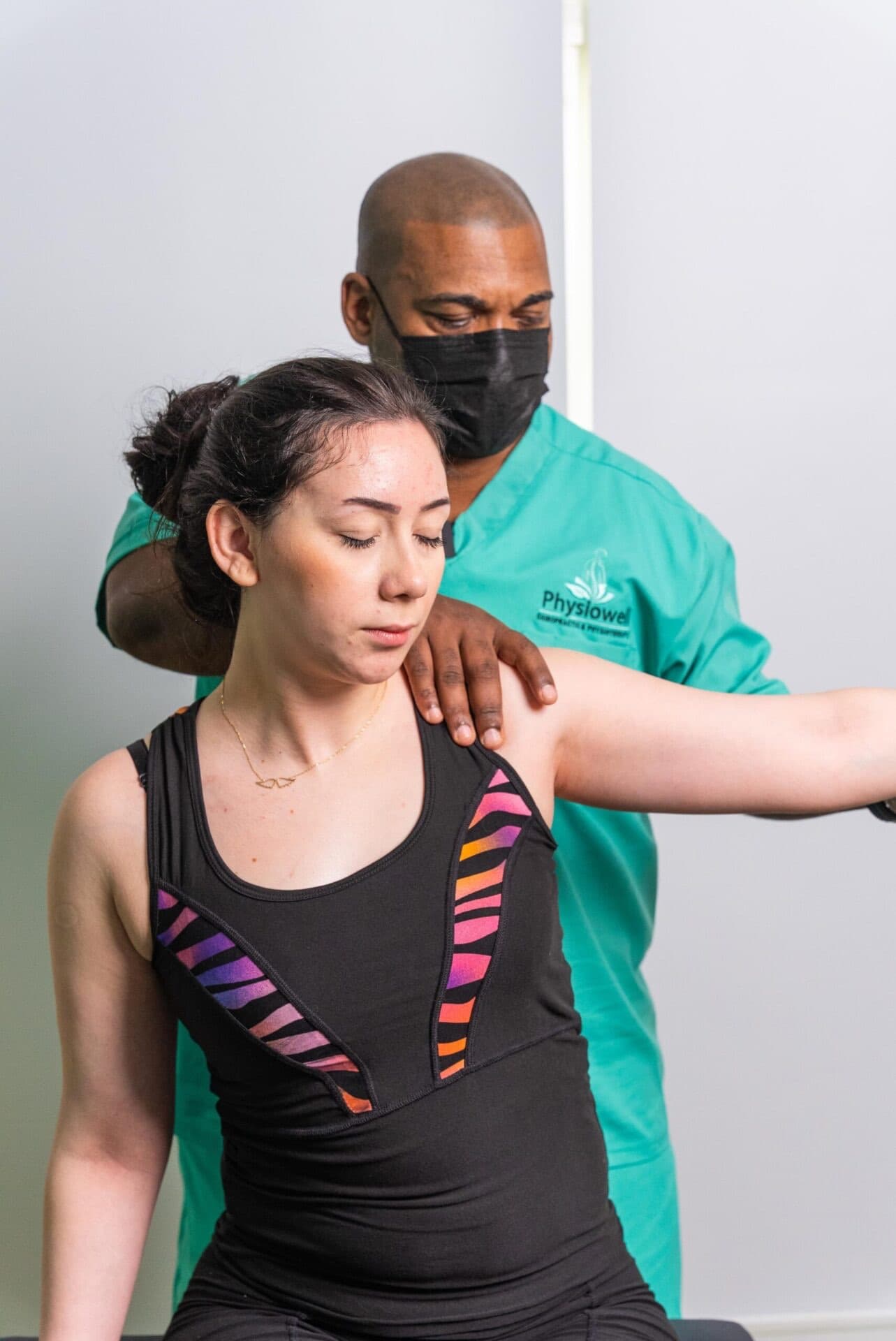
Recover Faster, Perform Better: Book a Sports Massage in Dubai
Keep your muscles unloaded, relaxed and ready for your next session. Book a sports massage and support your training the smart way. You may also find our sports physiotherapy and chiropractic guides helpful.
Physiowell, Al Manara, Al Wasl Road, Villa 947, Makani 19841 82767, Dubai, UAE. Call +971 4 269 2121 or WhatsApp +971 4 269 2121. Open Sunday 9am to 6pm, Monday to Saturday 9am to 7pm.