What Is Sciatica? Causes, Symptoms and How to Treat It
If you have ever felt a sharp pain shooting from your lower back down your leg, you may have experienced sciatica. This complete guide explains what sciatica is, what causes it, how it is diagnosed, and the safe ways to find relief and treat it. Whether your sciatica nerve pain is new or ongoing, understanding it is the first step to getting better.
What Is Sciatica?
Sciatica is pain that travels along the sciatic nerve, running from your lower back through your hips and buttocks and down the back of your leg. It is important to know that sciatica is a symptom of an underlying problem, not a diagnosis in itself. Something is pressing on or irritating the sciatic nerve, and finding out what is the key to treating it.
What Does Sciatica Pain Feel Like?
If you are wondering what does sciatica feel like, the pain is often described as sharp or stabbing, like an electric shock, or a burning sensation running down one leg. Alongside the pain, the common sciatica symptoms you may notice are:
- numbness in the leg or foot
- tingling or a pins-and-needles feeling
- weakness in the leg, calf or foot
- pain that gets worse when sitting, coughing or sneezing
Sciatica usually affects just one side of the body.
What Causes Sciatica?
Sciatica happens when something presses on the sciatic nerve. A lumbar herniated disc is the most common cause, but there are several possible causes.
Lumbar Herniated Disc
The most common cause. When a disc in the lower spine bulges out, it can press directly on the sciatic nerve, which is why lumbar herniated disc sciatica is so common. Learn more about disc injuries and how they are treated.
Spinal Stenosis
A narrowing of the spinal canal that puts pressure on the nerves, so spinal stenosis sciatica becomes more common with age.
Spondylolisthesis
When one vertebra slips forward over another in spondylolisthesis, it can pinch the sciatic nerve.
Other Factors
Arthritis and bone spurs can also narrow the space around the nerve and trigger sciatica.
What Are the Risk Factors for Sciatica?
Some things make sciatica more likely. The main sciatica risk factors include:
- a previous back injury
- age-related changes in the spine
- being overweight
- heavy-lifting or sedentary jobs
- poor posture
- diabetes and smoking
Pregnancy is also a common risk factor. Read our dedicated guide on sciatica during pregnancy for safe, pregnancy-specific advice.
How Is Sciatica Diagnosed?
Sciatica diagnosis is about finding the underlying cause. It usually follows these steps:
- a review of your medical history and symptoms
- a physical examination, including nerve-stretch tests
- imaging such as an X-ray or MRI, usually if pain lasts more than two months
An accurate diagnosis of what is causing the nerve pressure guides the right treatment.
How Can I Relieve Sciatica Pain at Home?
For mild cases, these sciatica home remedies can help ease the pain and are a safe place to start if you want to know how to relieve sciatica pain at home:
- gentle lower-back and hamstring sciatica stretches
- short periods of rest, but avoid prolonged bed rest
- a cold pack for the first day or two, then switch to heat
A note on massage: many people ask is massage good for sciatica; gentle massage can ease muscle tension around the nerve, but stop if it increases the pain. If your pain persists or worsens, it is time to get a professional assessment.
How Is Sciatica Treated Without Surgery?
The good news is that most people recover from sciatica without surgery although recovery time can varyIf you are asking how to treat sciatica without surgery, non-surgical sciatica treatment usually combines several approaches.
Physiotherapy and Targeted Exercises
Physiotherapy for sciatica uses targeted exercises and hands-on therapy to ease nerve pressure, improve movement and lower the chance of flare-ups.
Massage and Manual Therapy
Manual therapy and chiropractic care help release muscle tension and improve spinal alignment around the affected nerve.
Spinal Decompression Therapy
Spinal decompression therapy gently eases pressure on the disc and sciatic nerve, supporting natural healing.
Short-Term Pain Relief
Short-term pain relief may be used, as advised by your doctor, to keep you comfortable while you recover, and it is a common part of sciatica pain relief in the early stages.
Why Does Physiotherapy Matter for Sciatica?
Physiotherapy for sciatica is one of the most helpful treatments. It works on the muscles, joints, nerves and movement patterns behind your pain. Its main goals are to:
- ease pain and help movement return
- reduce muscle spasm
- improve mobility and flexibility
- lower the chance of future flare-ups
How Long Does Sciatica Take to Heal?
Many people ask how long does sciatica last. Most sciatica improves over time, often within a few weeks, though recovery varies from person to person. Chronic cases lasting more than two months may need imaging and a more tailored treatment plan. Recovery time depends on the cause and how consistently you follow your treatment.
Can sciatica be cured permanently? people often ask this, and the honest answer is that most sciatica settles with the right treatment, while good habits lower the chance of it returning. Lasting results depend on the underlying cause, which is why an accurate diagnosis matters so much.
Does Sciatica Come On Suddenly or Gradually?
It depends on the cause, and yes, sciatica can come on suddenly. Sciatica from a disc herniation often appears suddenly, while sciatica from arthritis or age-related changes tends to develop gradually. This is another reason an accurate diagnosis matters; it points to the right treatment.
Can Sciatica Be Prevented?
You can lower your risk of sciatica, and reduce the chance of it coming back, with a few habits: regular core and back strengthening exercise, good posture when sitting and standing, and safe lifting technique. For more, read our guide on the activities that cause back pain and the daily habits to avoid.
When Should I See a Sciatica Specialist?
See a specialist for your sciatica if:
- home remedies do not help after a couple of weeks
- the pain is severe or disabling
- you have any loss of bladder or bowel control (seek urgent care)
Getting an accurate diagnosis early leads to faster, more suitable treatment.
Where Can I Get Sciatica Treatment in Dubai?
You can get sciatica treatment Dubai patients trust at Physiowell, a clinic with sciatica specialists offering physiotherapy, chiropractic care and spinal decompression under one roof. As a sciatica physiotherapy Dubai option and a sciatica clinic Al Wasl Road is easy to reach from, our team diagnoses the cause first, then builds the right treatment plan for you.
Why Physiowell Is a Trusted Choice for Sciatica in Dubai
At Physiowell, our sciatica specialists in Dubai take a diagnosis-first approach; we find the underlying cause before starting treatment. As a sciatica specialist Dubai clinic, we offer the full pathway, from conservative physiotherapy through to spinal decompression, all in one place. Whatever your sciatica concern, it is a comprehensive starting point for getting the right answer and the right care, whether you are looking for a sciatica specialist Dubai families rely on or ongoing support.
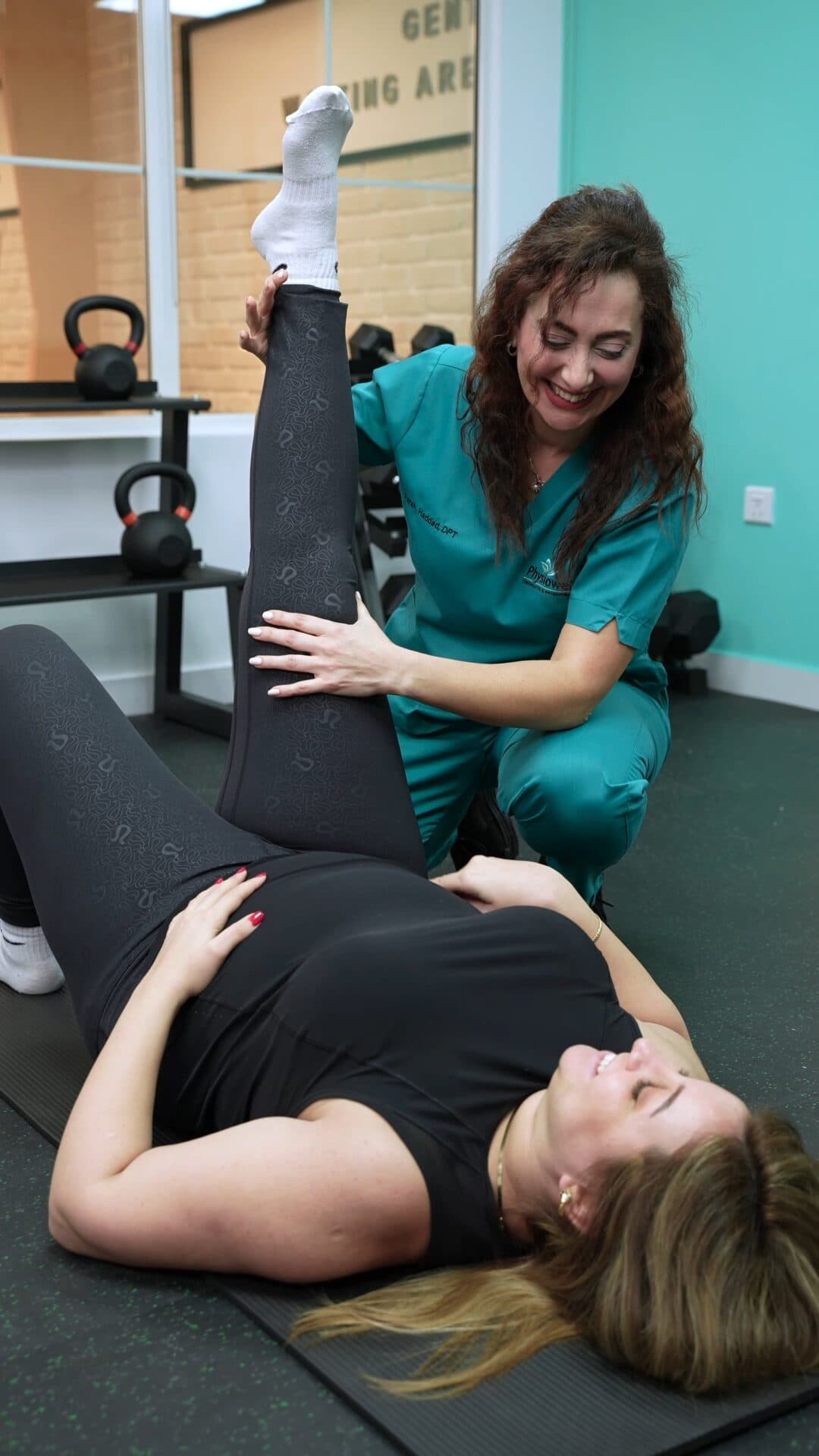
Get an Accurate Sciatica Diagnosis: Book with Physiowell in Dubai
Most sciatica is manageable, and it starts with the right diagnosis. Book an assessment at Physiowell and let our specialists find the cause of your pain. If you are searching for a sciatica specialist near me in Dubai, our team in Al Manara, on Al Wasl Road, is easy to reach from across the city.
Physiowell, Al Manara, Al Wasl Road, Villa 947, Makani 19841 82767, Dubai, UAE. Phone: +971 4 269 2121 | WhatsApp: +971 4 269 2121 | info@physiowell.ae. Open Monday to Saturday 9am to 7pm