Needle for Relief: Is Dry Needling the Breakthrough Pain Treatment You Need?
If you have been dealing with muscle pain that just will not go away you have probably heard of dry needling. Dry needling is something that is used a lot in physiotherapy, chiropractic or osteopathy clinics for people who want to get relief from muscles, back pain or neck tension.
People often try dry needling when they find that stretching, receiving muscle therapy or other simple things they can do at home have not worked. Dry needling targets specific muscle trigger points to help reduce pain and improve movement.
So what really happens when you get dry needling and why do so many people think dry needling is so successful, with dry needling?
What is Dry Needling?
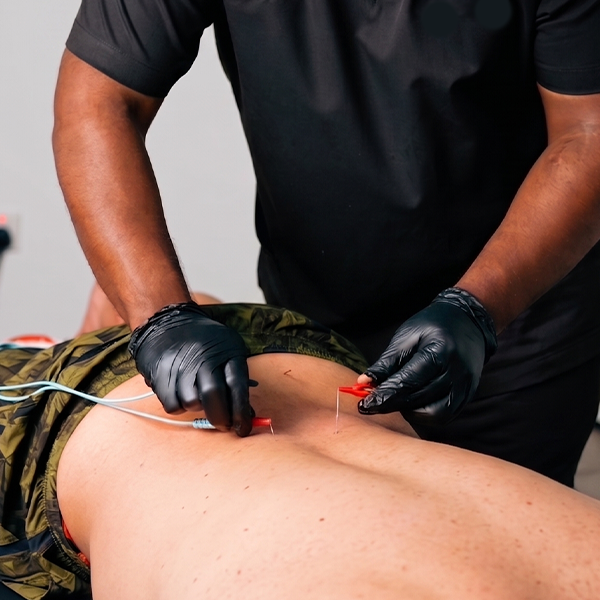
Dry needling is a technique used by physiotherapists where fine needles are applied to tight areas within the muscle, often referred to as trigger points.
Muscle trigger points act as knots; they may cause stiffness and aching in a given area, but they can also cause discomfort in adjacent areas.
The concept behind dry needling is straightforward. It is used to target tight areas within the muscle, which may help reduce tension, support local blood flow, and encourage the muscle to relax, contributing to improved comfort and movement.
How Does Dry Needling Work?
The process is really simple.
First the physiotherapist finds the muscle areas that are tight or hurt.
Then a small needle is carefully put into the trigger point. This can make the muscle jump a little. It means the muscle is starting to let go.
After that the muscle starts to relax and the blood flow gets better.
The practitioner uses a light, hands-on approach to assess and support these areas, aiming to encourage relaxation and improve overall function.
The technique is subtle and non-forceful.
What Conditions Can Dry Needling Treat?
Dry needling is commonly used for, and is not limited to:
- Muscle pain
- Back pain
- Neck pain
- Shoulder pain
Is Dry Needling Painful?
People usually think that it will hurt a lot. The most common experience is not that way. When you first put a needle into your body, you may feel like being pinched. Then when the needle goes all the way through you may feel an ache or a muscle spasm. A muscle spasm may feel uncomfortable but only last about a second. Afterwards, some patients may feel sore for a few days like what you feel when you have an intense workout.
Is Dry Needling Safe?
Dry needling is safe when a trained and licensed physiotherapist does it. The physiotherapist has to know what they are doing. This is very important, for a needling session.
A qualified physiotherapist will have ample knowledge, training and certification in handling needles in a safe and effective manner. In essence, the physiotherapist must be officially qualified to do dry needling.
Your physiotherapist will look at your condition and your medical history before suggesting dry needling as a method of treatment.
What Happens During a Dry Needling Session?
A typical session is simple and quite relaxed.
Treatment typically starts with an assessment to review movement and identify problem areas, followed by hands-on muscle release. Where appropriate, dry needling may then be used to target specific muscle areas.
The process itself doesn't take too long. The sessions usually take between 20 to 30 minutes. Some stretches or advice might be given to help you maintain the results.
How Many Sessions of Dry Needling Are Needed?
The number of sessions needed for treatment varies. It depends on how long you have had pain and how bad it is. These factors will help decide how many sessions you will need.
Your response to treatment also matters. Some people feel better after one or two sessions. Others may need more sessions before they see improvement. The treatment sessions required will be based on the overall assessment.
Dry Needling vs Physiotherapy
It is common to confuse the two; however, dry needling and physiotherapy are not the same. Dry needling is a technique that may be used by trained physiotherapists as part of a broader treatment plan.
Physiotherapy includes a range of evidence-based approaches such as exercise therapy, manual therapy, education, and movement rehabilitation.
Dry needling is one of several techniques that may be used to address muscle-related pain and dysfunction, where clinically appropriate.
When should I try dry needling?
You might want to consider it only if recommended by your practitioner and if:
- You have ongoing muscle pain
- Your muscles feel constantly tight
- You’re recovering from an injury
Where to Get Dry Needling in Dubai?
Dry needling is something you can commonly find in physiotherapy, chiropractic and osteopathy clinics in Dubai.
When you think about trying it you should find a clinic that has practitioners who are licensed and qualified. Assessing your situation prior to treatment results in a better understanding of whether dry needling is suitable for your condition.
If you are uncertain whether dry needling is the proper course of action, it’s a good idea to start with a consultation with a physiotherapist, osteopath or chiropractor.