5 Evidence-Based Steps for Non-Surgical Relief: Tennis Elbow Treatment
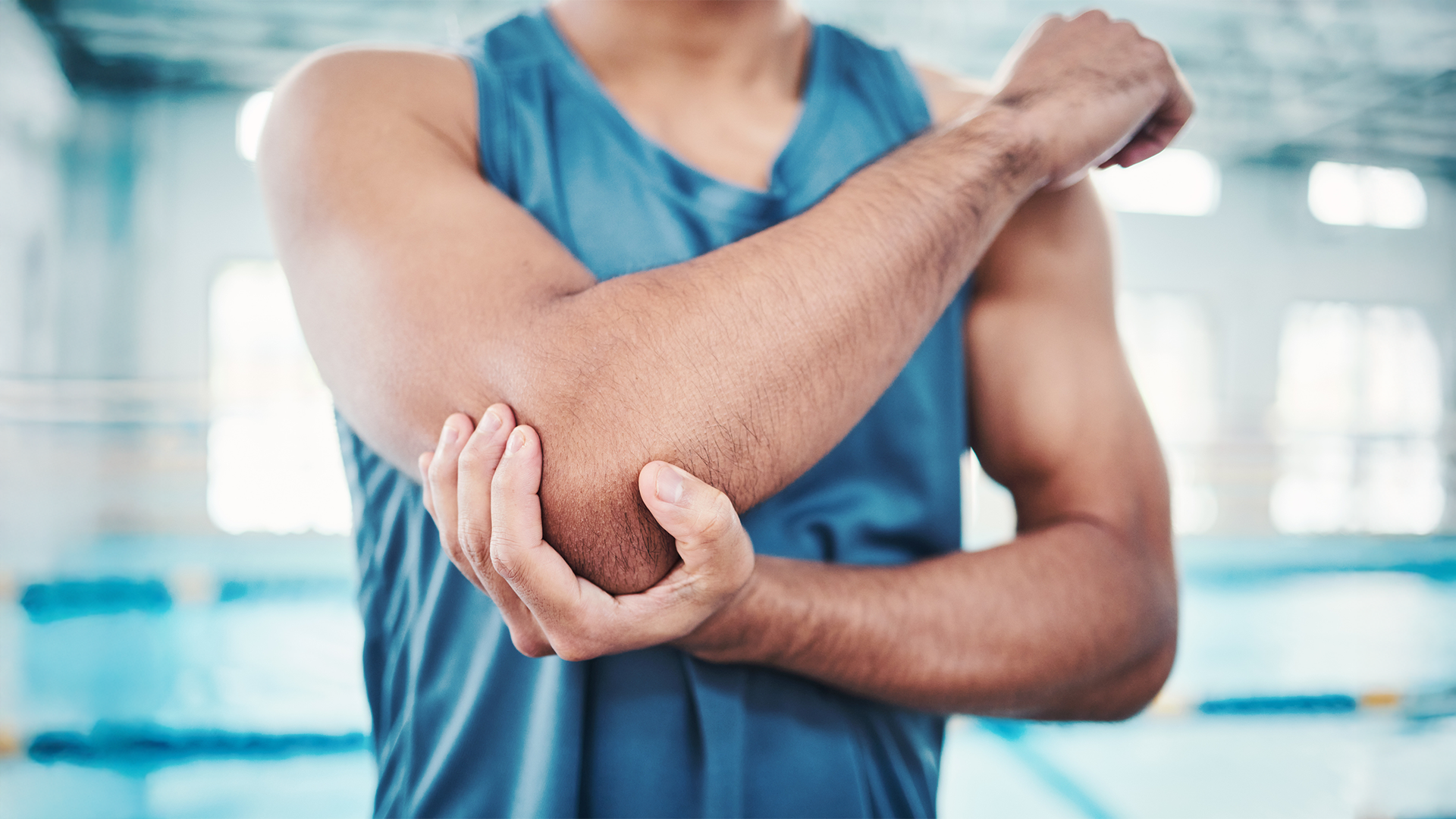
Pain on the outside of the elbow can make everyday tasks hard. Simple actions like lifting a cup, opening a door, or typing may start to hurt. One common cause of this pain is tennis elbow, also called lateral epicondylitis.
Despite the name, tennis elbow does not only affect athletes. It is common in office workers and people who use their hands often at work. Repeated gripping or wrist movements can cause the condition. Most cases improve without surgery, so conservative treatment is usually the first option.
This article explains what tennis elbow is and how it starts. It also shows how to spot the signs early. You will learn the proven, non-surgical treatments used in physiotherapy.
Understanding Tennis Elbow: A Tendon Overuse Condition
Tennis elbow happens when the muscles that lift the wrist are used too much. This overuse puts stress on a tendon on the outside of the elbow. Over time, this stress can lead to pain.
Medical research has shown that:
- The condition is usually degenerative rather than inflammatory, especially in long-standing cases
- Repeated micro-strain exceeds the tendon’s ability to repair itself
- Over time, this leads to pain, weakness, and reduced grip strength
`
Common contributing factors include:
- Prolonged computer and mouse use
- Repetitive lifting or gripping
- Racquet sports such as tennis or padel
- Manual work involving tools or sustained wrist extension
How Do You Know If You Have a Tennis Elbow?
A clinical diagnosis is based primarily on symptoms and physical examination. Common signs include:
- Pain or tenderness on the outer elbow
- Pain that worsens with gripping, lifting, or wrist extension
- Reduced grip strength
- Discomfort during everyday tasks such as opening jars or carrying bags
Symptoms often develop gradually and may worsen if repetitive activities continue without treatment.
How to Get Rid of Tennis Elbow: 5 Non-Surgical, Evidence-Based Steps
Step 1: Pain Reduction and Load Management
Initial management focuses on reducing pain and excessive tendon stress, not complete rest.
This phase may involve:
- Temporary modification of aggravating activities
- Ice application for short-term pain relief
- Education on avoiding sustained or repetitive strain
- Early physiotherapy interventions aimed at pain control
Reducing pain helps prepare the tendon for safe rehabilitation.
Step 2: Supporting Tendon Healing with Therapeutic Modalities
For persistent or chronic symptoms, physiotherapy may include adjunct treatments to support recovery.
Evidence-supported options may include:
- Extracorporeal shockwave therapy for chronic cases
- Therapeutic ultrasound or electrotherapy as supportive tools
Clinical guidelines show that these treatments work best as support tools. They are not cures on their own. They are most effective when used together with exercise-based rehabilitation.
Step 3: Manual Therapy and Movement Restoration
Joint and soft tissue restrictions in the wrist, elbow, shoulder, or upper back can increase strain on the affected tendon.
Hands-on treatment may help:
- Improve joint mobility
- Reduce muscle tension in the forearm
- Restore normal movement patterns
Research shows that manual therapy can help. It works best when used together with exercise.
Step 4: Progressive Strengthening and Tendon Loading
Progressive loading exercises are considered the cornerstone of tennis elbow rehabilitation.
This stage focuses on:
- Gradual strengthening of the forearm muscles
- Controlled loading of the tendon to stimulate adaptation
- Improving grip strength and functional capacity
Strong research shows that the right exercises reduce pain and improve movement. These exercises work better than passive treatments used on their own.
Step 5: Biomechanical Correction and Recurrence Prevention
Long-term recovery depends on addressing the underlying causes of overload.
This phase may include:
- Ergonomic advice for desk or work setup
- Technique correction for sports or manual tasks
- Education on load management and recovery
- Preventative strengthening strategies
Addressing biomechanics significantly reduces the risk of recurrence.
What Is Best For Tennis Elbow Management
Both can be useful, depending on the stage of the condition:
- Ice is commonly used for short-term pain relief, particularly after activity
- Heat may help reduce muscle stiffness in later stages, when inflammation is minimal
Neither treats the underlying tendon issue on its own, but both can support symptom management.
Does a Tennis Elbow Strap Actually Help?
Counterforce braces may provide short-term symptom relief by redistributing load away from the injured tendon.
Clinical guidance suggests:
- Braces can be helpful during aggravating activities
- They should be used alongside physiotherapy, not as a replacement
Evidence shows they may reduce pain, but do not address the underlying cause alone.
Why Physiotherapy Is Central to Tennis Elbow Recovery
Clinical guidelines consistently recommend physiotherapy-led care as first-line treatment for tennis elbow.
A comprehensive approach typically includes:
- Pain management
- Progressive exercise
- Manual therapy when indicated
- Education and prevention strategies
Integrating multiple evidence-based methods leads to better long-term outcomes than isolated treatments.
Reclaim Your Grip Safely and Effectively
Tennis elbow can be frustrating, but it is treatable without surgery. With the right assessment and guided rehab, most people return to daily activities. Strength improves, and pain reduces over time.
Book a consultation at Physiowell to begin a personalised, evidence-based recovery plan:
Physiotherapy consultation
Learn more about tennis elbow care:
Tennis Elbow Treatment