Total Knee Replacement Rehab
Total Knee Replacement Rehab is one of the most important steps toward getting your life back after surgery. Recovering from a knee replacement isn't just about the procedure itself; it's about rebuilding movement, regaining strength, relearning how to walk confidently, and returning to the daily activities that matter most to you.
At Physiowell Dubai, we work closely with patients through every stage of their knee replacement recovery from the first cautious steps to walking freely again.
What Is Total Knee Replacement Rehab?
Total knee replacement rehab is a structured, guided recovery process that begins after knee replacement surgery. Its primary goal is to help patients restore full or near-full knee function by progressively working on three key areas: knee movement and flexibility, muscle strength around the joint, and the ability to walk and perform daily activities safely.
Rehab is not optional it is a core part of the surgical outcome. Without consistent rehabilitation, even a technically successful knee replacement may result in stiffness, weakness, or limited function. Physiotherapy after knee replacement bridges the gap between surgery and a full return to daily life.
When Should Rehab Start After Total Knee Replacement?
In most cases, rehabilitation begins very early often within the first day or two following surgery under close medical and physiotherapy supervision. Early movement is generally encouraged because it helps reduce swelling, prevent stiffness, and support healthy circulation in the operated leg.
That said, the exact timing and pace of rehab always depends on your surgeon's instructions, your overall health, and how your body responds to the procedure. Your physiotherapist and surgical team will guide when it's appropriate to begin specific exercises or progress to the next stage. It is recommended to Never rush the process and never start or stop rehab activities without professional guidance.
What Should You Expect in the First Week After Knee Replacement?
The first week is often the most challenging and the most important. Here's what most patients typically experience and work through during this early stage:
- Pain and swelling management: Some degree of pain and swelling is completely normal after knee replacement surgery. Your medical team will provide pain relief strategies, and your physiotherapist may use techniques such as ice, positioning, and gentle movement to help manage discomfort.
- Safe movement: You'll be guided on how to move carefully getting in and out of bed, sitting, and standing in a way that protects the joint and reduces strain.
- Walking with support: Most patients begin walking with the help of a frame or crutches within the first day or two. Short, supervised walks are the starting point.
- Basic exercises: Your physiotherapist will introduce gentle exercises aimed at preventing blood clots, reducing stiffness, and beginning to activate the muscles around your knee.
- Home and daily activity guidance: You'll receive clear advice on how to manage day-to-day tasks safely, including toilet use, bathing, and navigating your home environment to keep you comfortable and reduce the risk of falls.
What Exercises Help After Knee Replacement?
Exercise is at the heart of knee replacement rehabilitation. While the specific program will always be tailored to your individual condition and progress by your physiotherapist, most rehab plans include a combination of the following exercise types:
- Knee bending (flexion) exercises: Gradually working to increase how far you can bend your knee, which is essential for sitting, climbing stairs, and most daily movements.
- Knee straightening (extension) exercises: Ensuring your knee can fully extend is just as important as bending; incomplete straightening can affect your walking pattern and long-term comfort.
- Strengthening exercises: Targeting the quadriceps, hamstrings, and hip muscles to provide stability and support to the new joint.
- Range of motion work: Gentle mobilisation techniques to prevent scar tissue from restricting joint movement.
Important: All exercises should be performed according to your therapists’s plan. Attempting exercises that aren't appropriate for your stage of recovery may slow healing or cause complications.
How Long Does Recovery Take After Total Knee Replacement?
Recovery timelines vary considerably from person to person. Factors that influence how quickly you progress include your age and overall health, your pain tolerance and pain management, the type of surgery performed, how consistently you follow through with your rehabilitation exercises, and the support available to you at home.
As a general guide, most patients regain independent walking ability within a few weeks and functional daily activity within a few months. However, full recovery, including optimal strength, comfort, and movement, can take six months to a year or longer in some cases. The focus of rehab is always on steady, gradual progress rather than rushing milestones.
Consistency is everything. Patients who commit actively to their recovery program consistently recover more fully and more quickly and that's a pattern we see frequently at Physiowell.
How Does Physiotherapy Help After Knee Replacement?
Physiotherapy after knee replacement isn't just a recovery supplement; it is an essential part of the recovery. A skilled physiotherapist provides hands-on support and clinical expertise to help you progress safely and effectively. Here's how physiotherapy makes a difference:
- Reducing stiffness:Manual therapy, mobilisation techniques, and targeted exercises help keep the joint moving and prevent scar tissue from restricting your range of motion.
- Improving walking: Your physiotherapist will assess and correct your gait, helping you walk more naturally and safely as your strength returns.
- Restoring range of motion: Progressive joint mobilisation ensures that your knee gradually achieves the movement needed for everyday activities like sitting, climbing stairs, and driving.
- Building strength: Structured strengthening exercises target the muscles that support the knee, reducing the load on the joint and improving overall stability.
- Returning to daily activity: Your rehab plan is designed around your personal goals, whether that's walking in a park, cooking in the kitchen, or returning to light recreational activity.
At Physiowell, our approach to physiotherapy after knee replacement Dubai is built around your individual recovery goals, not a one-size-fits-all program. Our team provides personalised knee replacement physiotherapy Dubai that patients can rely on from the first day of rehab through to full functional recovery.
What Mistakes Should You Avoid During Knee Replacement Rehab?
Knowing what not to do is just as important as following the right rehab plan. These are the most common mistakes that can slow recovery or lead to complications:
- Skipping exercises:Even on difficult days, skipping your prescribed exercises can lead to stiffness and setbacks. Consistency matters, even gentle movement counts.
- Doing too much too soon: Pushing through pain or attempting advanced activities before you're ready can strain the healing joint. Progress should always be guided by your therapist.
- Ignoring swelling: Some swelling is normal, but persistent or worsening swelling after activity is a sign to slow down and check in with your healthcare team.
- Poor walking habits: Walking with an altered gait to avoid pain can create long-term problems in your hips, back, or the other knee. Your physiotherapist will help you walk correctly from the start.
- Not following professional guidance: Relying on general advice from the internet or well-meaning friends instead of your surgical and therapy team is one of the most common and preventable mistakes.
When Should You Call Your Doctor After Knee Replacement?
Most discomfort during knee replacement recovery is expected and manageable. However, there are certain warning signs that should never be ignored. Contact your surgeon or medical team promptly if you notice any of the following:
- Unusual or rapidly worsening swelling around the knee or lower leg
- Severe pain that isn't controlled by your prescribed pain relief
- Fever or signs of infection, such as redness, warmth, or discharge around the wound
- Concerns about your wound, including opening of the incision or unusual appearance
- Calf pain, tightness, or swelling which can be a sign of deep vein thrombosis (DVT) and requires immediate attention
- Any sudden change in your ability to move or bear weight on the leg
When in doubt, always reach out to your surgeon or medical provider. Early action is almost always better than waiting.
Where Can You Get Total Knee Replacement Rehab in Dubai?
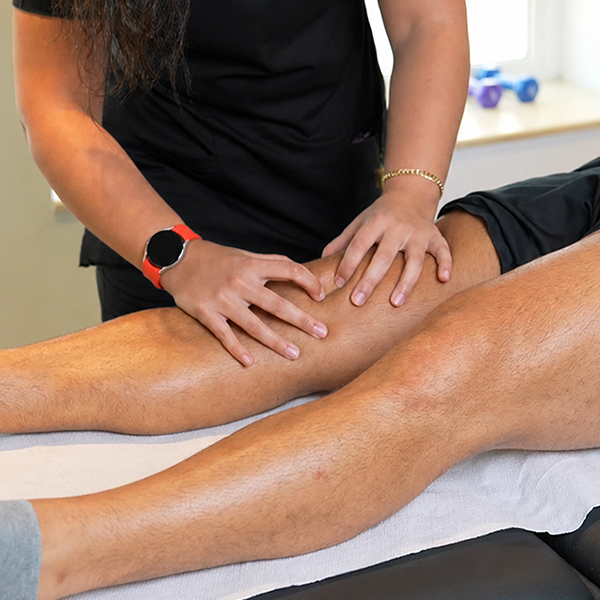
If you or a loved one is preparing for or recovering from a knee replacement in Dubai, guided post-operative rehabilitation is available at Physiowell. Our team offers evidence-based, patient-centred physiotherapy support designed around your specific recovery needs from early post-surgical rehab through to full functional recovery.
Whether you need physiotherapy after knee replacement, a comprehensive rehabilitation program, or simply a trusted team to guide you through recovery, Physiowell is here to help. Book your assessment today and take the first confident step toward getting back to the life you love.