Ultrasound Physiotherapy: How It Works & What It Treats
Ultrasound physiotherapy uses sound waves you cannot hear to ease pain and support tissue healing. It is a common, non-invasive treatment for soft-tissue and joint problems. This guide explains how it works, what it treats, whether the evidence backs it, and what a session feels like. One quick note up front: this is therapeutic ultrasound, a treatment, not the diagnostic ultrasound used for imaging and scans.
What is ultrasound physiotherapy?
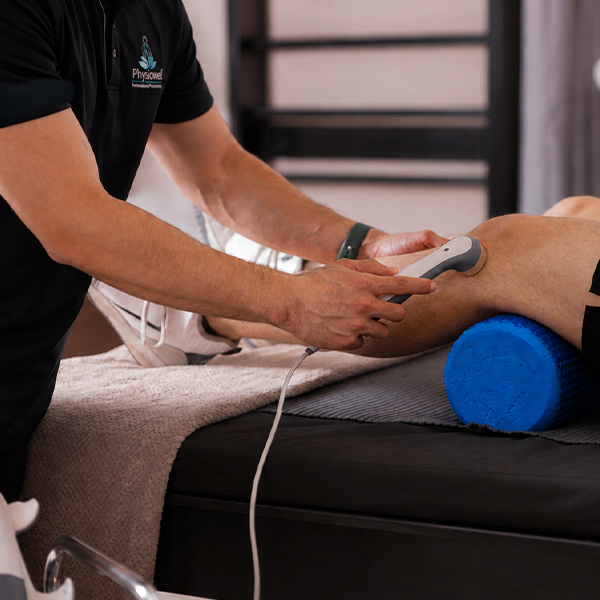
Ultrasound physiotherapy is a treatment that delivers high-frequency sound waves into the body through a small handheld probe. A physiotherapist moves the probe over the skin to target a specific area of pain or injury. It is one of several physiotherapy modalities used for soft-tissue and joint conditions, usually as part of a wider treatment plan.
Therapeutic vs diagnostic ultrasound: what's the difference?
People often mix these up. Diagnostic ultrasound creates images, the technology behind pregnancy scans and many medical investigations. Therapeutic ultrasound does not make pictures. Instead, it sends energy into the tissue to treat it. Same basic technology, two very different jobs: one looks inside the body, the other helps it heal.
How does ultrasound therapy work?
A small amount of gel is applied to the skin so the sound waves transfer smoothly. The probe then delivers energy that produces two main effects:
- Thermal effect: gentle deep heating that relaxes tissue, eases stiffness and boosts local circulation.
- Mechanical effect: tiny vibrations that may support the body's natural healing process in the treated tissue.
The physiotherapist adjusts the settings to match your condition and the area being treated.
What conditions does ultrasound therapy treat?
Ultrasound therapy is mainly used for soft-tissue and joint complaints, including:
- Soft-tissue injuries and muscle strains
- Tendonitis and overuse injuries
- Frozen shoulder and joint stiffness (see our guide on shoulder pain)
- Some cases of back pain
- Recovery support after injuries such as whiplash
In nearly all cases it is used as one part of a broader plan, not on its own
Is ultrasound therapy effective?
Here is the honest answer. Many patients find ultrasound therapy helps reduce pain and stiffness, and it is widely used in clinics. That said, the research evidence is mixed, and results vary from one condition to another. It is best understood as one useful tool within a treatment plan and not a stand-alone cure. A good physiotherapist uses it where it genuinely adds value and combines it with treatments that have stronger evidence, like exercise.
Does ultrasound therapy hurt? What a session feels like
Ultrasound therapy is painless. The probe glides smoothly over the gel on your skin, and most people feel either a mild warmth or nothing at all. There are no needles and no recovery time. A typical session lasts around 5 to 10 minutes per area, and you can return to your day straight away.
Are there side effects or risks?
Ultrasound therapy is low-risk when performed by a trained physiotherapist. Mild warmth during treatment is normal. It is not suitable for everyone or every area; for example, it is avoided over certain regions and in some medical conditions. This is why a proper assessment and screening always come first, so treatment is only used where it is safe and appropriate for you
How many sessions will I need?
There is no fixed number. It depends on your condition and how you respond, and treatment is reviewed as you progress. Ultrasound is usually delivered over several sessions and combined with exercise and hands-on therapy for the best outcome, rather than used in isolation.
Is ultrasound used alone or with other treatments?
Almost always with others. Ultrasound therapy complements rather than replaces other approaches. It is commonly paired with manual therapy, targeted exercise and other modalities. Combining treatments addresses both the symptoms and the underlying cause, which tends to give better, longer-lasting results.
Where can I get ultrasound physiotherapy in Dubai?
Look for a physiotherapy clinic that offers ultrasound as part of a tailored, assessment-led plan, not as a one-size-fits-all fix. The right clinic will tell you honestly whether ultrasound suits your condition, and what to combine it with for the best recovery.
Ultrasound physiotherapy at Physiowell Dubai
At Physiowell, ultrasound is one tool among many which is used where it genuinely helps. Our skilled physiotherapists combine it with manual therapy, exercise and other modalities in a plan built around your assessment. We focus on what works for your specific condition, supported by modern equipment and an honest, evidence-based approach. It often sits alongside our wider sports physiotherapy and rehabilitation programs.
Book an assessment for the right treatment in Dubai
Not sure whether ultrasound therapy is right for you? Book an assessment and we will recommend whether it or another approach best fits your recovery.
Physiowell — Al Manara, Al Wasl Road, Villa 947, Makani 19841 82767, Dubai, UAE. Call +971 4 2692121 or WhatsApp +971 50 1006594. Open Sunday 9am–6pm, Monday to Friday 9am–7pm.